Blog
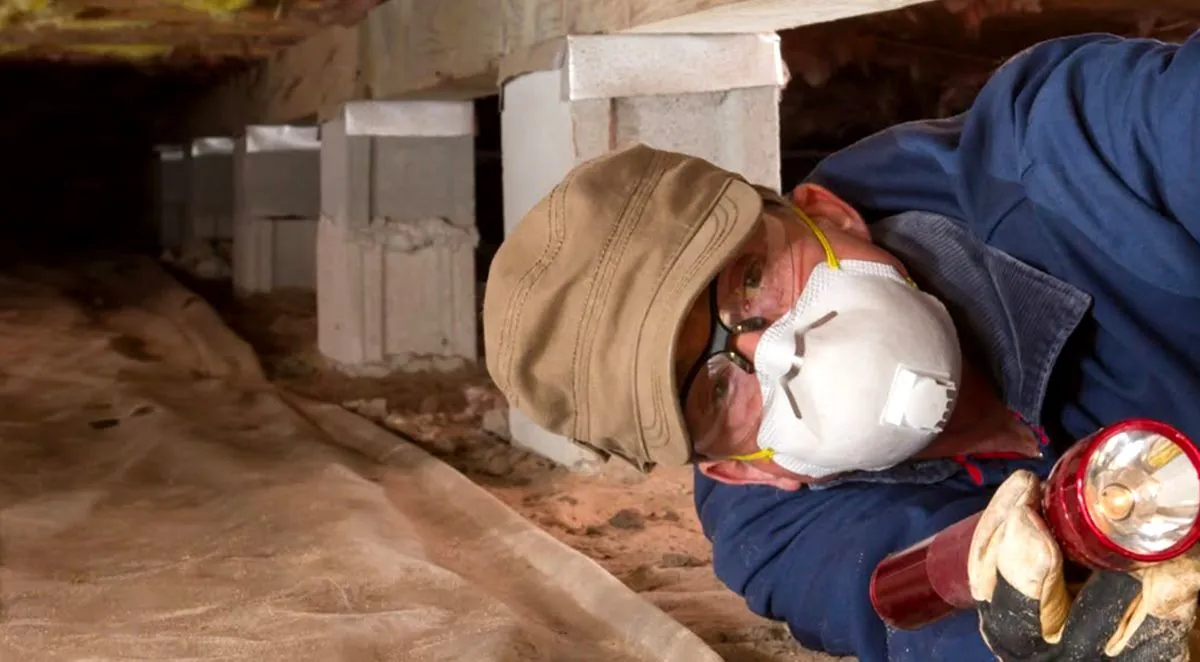
If you own a home in southeastern North Carolina, you've likely dealt with a crawl space that feels damp, smells musty, or seems impossible to keep dry. It isn't your imagination, and it isn't poor maintenance. Crawl space moisture in southeastern NC is a regional problem rooted in our geography, our climate, and the way many homes here are built.

Owning a beach rental on the NC or SC coast can be a rewarding investment, but it comes with challenges most homeowners never face. Pests are near the top of that list. A single review mentioning roaches or ants can cost you future bookings, and you're often not on-site to catch a problem before it grows.
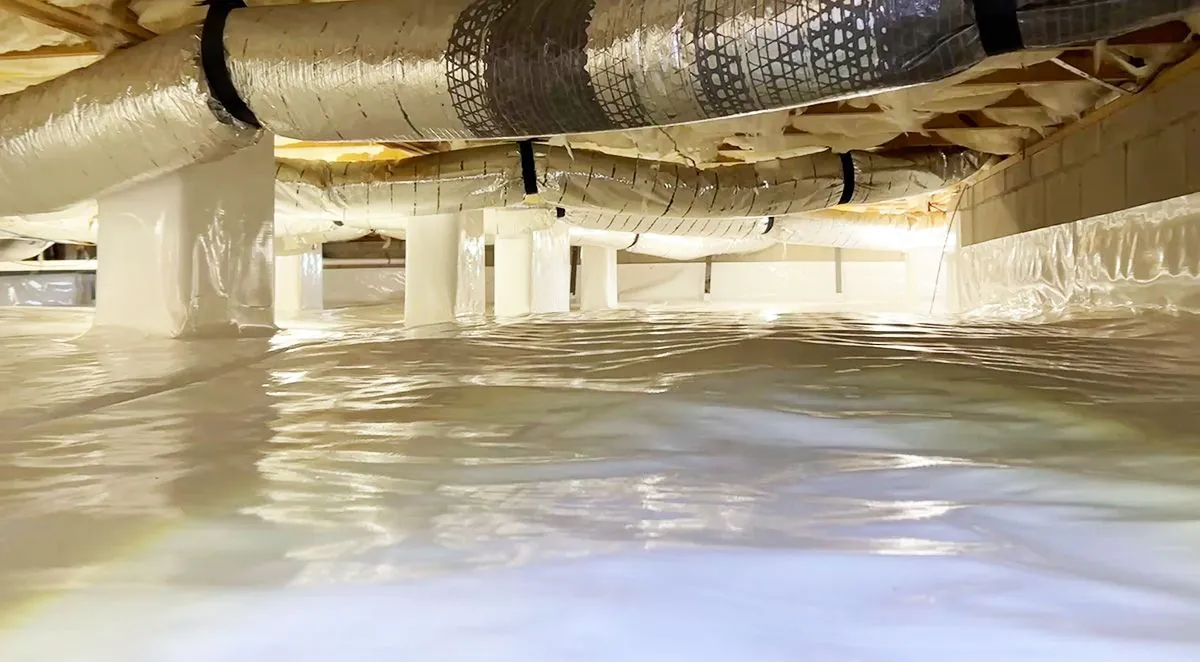
If you've started researching how to fix a damp crawl space in North Carolina, you've probably run into two options that sound similar but aren't: a vapor barrier and full crawl space encapsulation. Both help control moisture, but they solve different problems and involve very different levels of work.Oftentimes the culprit for moisture turns out to be HVAC duct lines that “sweat” during the summer months. Our technicians are trained to evaluate moisture sources and suggest the best plan for each scenario.
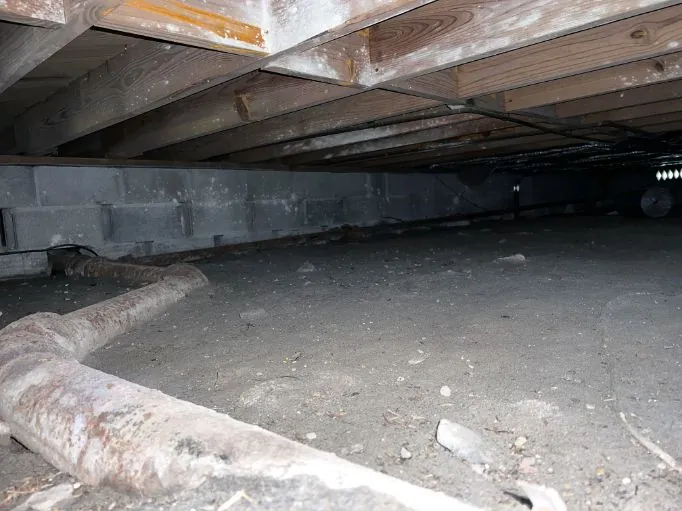
If you have ever caught a musty smell on the lower floor of your home or noticed your floors feeling a little soft underfoot, the answer may be hiding beneath you. In southeastern North Carolina, the warm, humid climate that defines our region also makes crawl spaces a prime spot for moisture to build up. Left unchecked, that moisture quietly works against your home's health, comfort, and structural integrity.