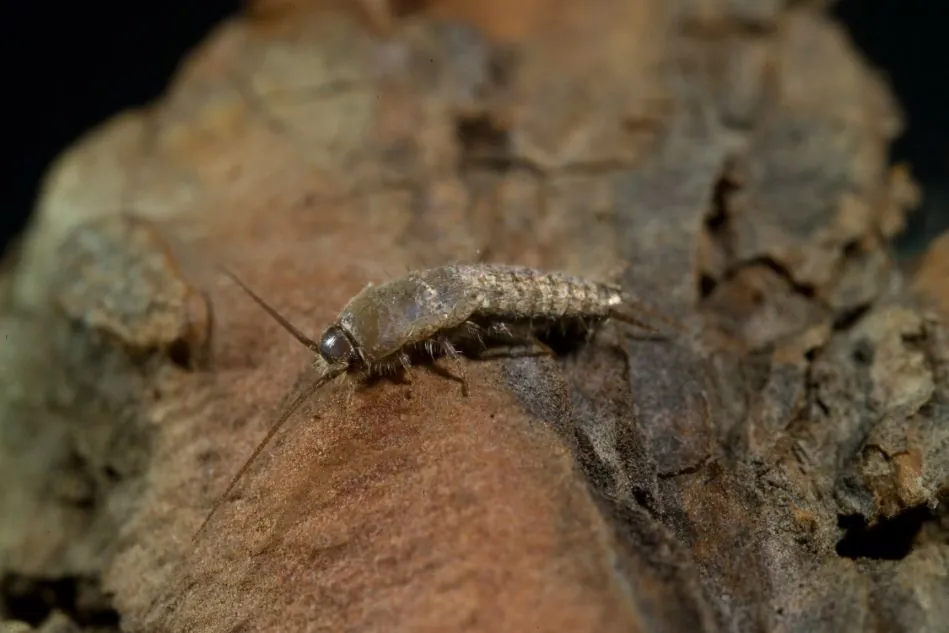
Silverfish
Silverfish are one of those pests that can live in your home for a long time before you realize they're there. They're nocturnal, fast-moving, and prefer dark, humid spaces like bathrooms, attics, crawl spaces, and the areas behind baseboards and inside wall voids. While they're not dangerous, silverfish can cause real damage to books, documents, wallpaper, photographs, stored clothing, and other items made of paper, cardboard, and natural fibers.
In southeastern North Carolina and northeastern South Carolina, the humid climate gives silverfish exactly the conditions they need. If you're finding them regularly, it's usually a sign that moisture levels in certain areas of your home are elevated enough to support a population.
Identifying Silverfish
Silverfish are easy to recognize once you know what to look for.
Size and Shape
About 1/2 to 3/4 inch long with elongated, tapered bodies often described as teardrop or carrot-shaped. They're flat and wingless. Three long, bristle-like appendages extend from the rear, earning them the alternate name "bristletails."
Color and Movement
Silvery-gray to bluish-silver, covered in fine scales that give them a metallic appearance. They move in a rapid, fish-like wriggling motion — which is how they got their name. They're surprisingly fast and can be difficult to catch.
The Moisture Connection
Like centipedes, millipedes, and earwigs, silverfish are strongly moisture-dependent. They need high humidity to survive and reproduce. Bathrooms, leaky pipe areas, unventilated attics, and damp crawl spaces are their preferred habitats.
Signs of a Silverfish Problem
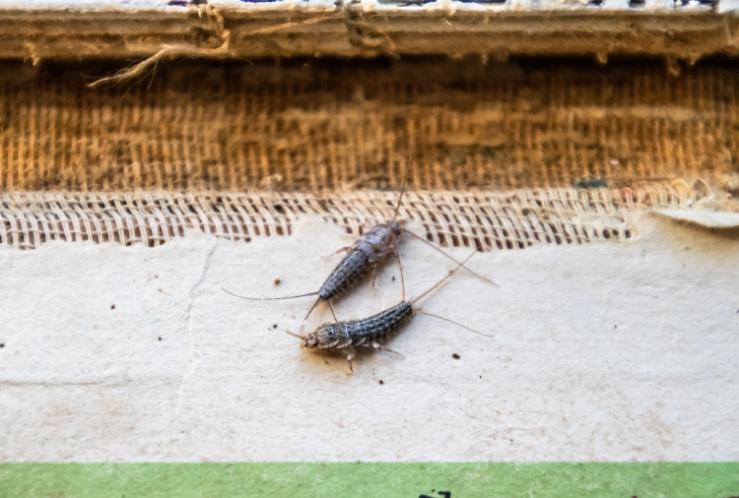
- Sightings in bathrooms, kitchens, or attics — Seeing them during the day often means the population is large enough that overcrowding is pushing some into open areas. They're commonly spotted in bathtubs and sinks because they get trapped on smooth surfaces.
- Feeding damage — Irregular holes, notches along edges, or surface etching on paper products, book bindings, wallpaper, cardboard boxes, and photographs.
- Yellow stains — Silverfish leave yellowish stains on fabric and paper as they feed.
- Shed scales and droppings — Tiny silvery scales and small, dark, pepper-like droppings in cabinets, closets, bookshelves, and along baseboards.
- Dropping from ceiling fixtures — Silverfish are commonly found in attic spaces, and homeowners sometimes discover them dropping down through ceiling soffits, recessed lighting, and bathroom vents.
How McDuffie Treats Silverfish
We identify harborage areas, moisture conditions, and the extent of the population. Common areas include bathrooms, attic spaces, behind baseboards, and inside closets and cabinets.
We treat harborage areas, entry points, and the interior spaces where silverfish are active. Products are applied in cracks, crevices, and voids where silverfish hide during the day.
If crawl space humidity, attic ventilation, or plumbing issues are contributing to the problem, we'll recommend the appropriate moisture control measures to address the root cause. Silverfish control is covered under our quarterly and tri-annual service plans.
Silverfish Prevention Tips
Reduce humidity. Use exhaust fans in bathrooms, ensure your attic has adequate ventilation, and consider a dehumidifier in damp areas. Proper crawl space moisture management is especially important.
Fix leaks promptly. Dripping faucets, leaking pipes, and condensation around plumbing fixtures create the moist conditions silverfish need.
Store paper goods and documents properly. Use sealed plastic bins instead of cardboard boxes for storing books, photographs, important documents, and seasonal clothing. Cardboard provides both shelter and a food source for silverfish.
Declutter storage areas. Attics, closets, and basements filled with stacked boxes and undisturbed items create ideal silverfish habitat.
Vacuum regularly in less-trafficked areas. Baseboards, closet floors, and the spaces behind furniture accumulate the crumbs, dust, and debris that silverfish feed on.
Schedule a Free Estimate
If silverfish are showing up in your home, it's worth finding out what's driving the population. Contact McDuffie Pest Control to schedule a free estimate. We'll identify the harborage areas, assess moisture conditions, and recommend a plan that addresses both the silverfish and the environment sustaining them.
Schedule a Free Estimate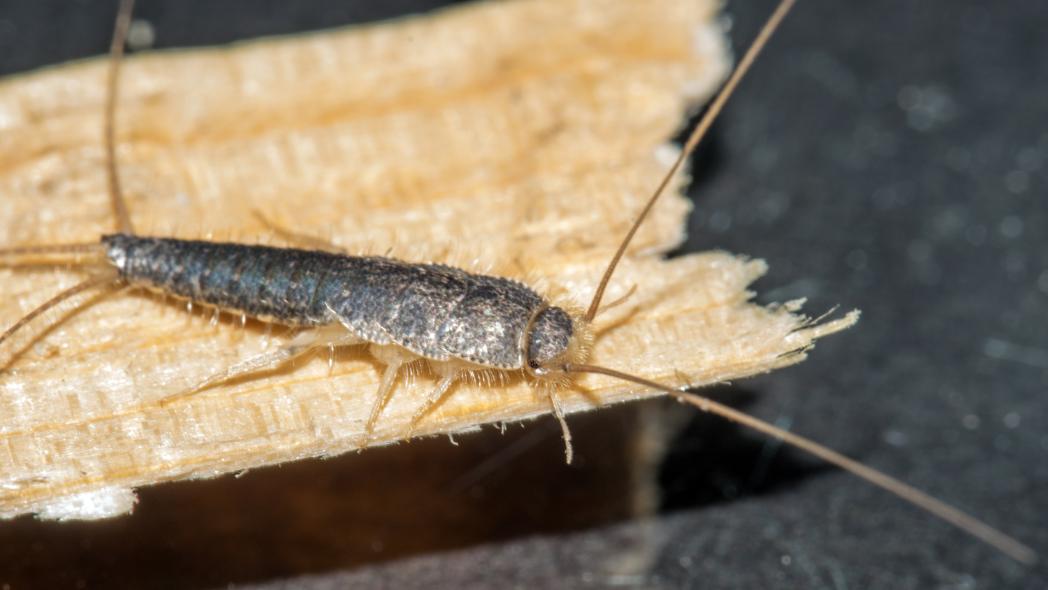
Frequently Asked Questions
Are silverfish harmful?
Silverfish don't bite, sting, or transmit diseases. However, they can cause damage to items you value: books, documents, photographs, wallpaper, and stored clothing. In heavy infestations, the cumulative damage to paper goods and textiles can be significant. They're also a reliable indicator of moisture problems that may warrant attention for other reasons.
Why do I find silverfish in my bathtub?
Silverfish live in the walls, ceiling voids, and spaces behind baseboards near bathrooms. They're active at night and attracted to the moisture in bathroom environments. They sometimes fall into bathtubs and sinks and can't climb back out because the smooth surfaces don't give them traction. Finding them trapped in the tub doesn't mean they're coming from the drain — they're already living in the surrounding walls and ceiling.
How long do silverfish live?
Silverfish have an unusually long lifespan for an insect — they can live two to eight years under favorable conditions, which means an established population can persist for a long time if the moisture conditions supporting it aren't addressed. This is why combining treatment with moisture reduction is the most effective approach.
Will fixing my attic ventilation help?
Improving attic ventilation can make a significant difference. Poor attic ventilation traps heat and humidity, creating conditions that sustain silverfish, mold, and wood decay. Proper ventilation reduces humidity levels in the attic space and makes it less hospitable to silverfish and other moisture-dependent pests.