
Moths
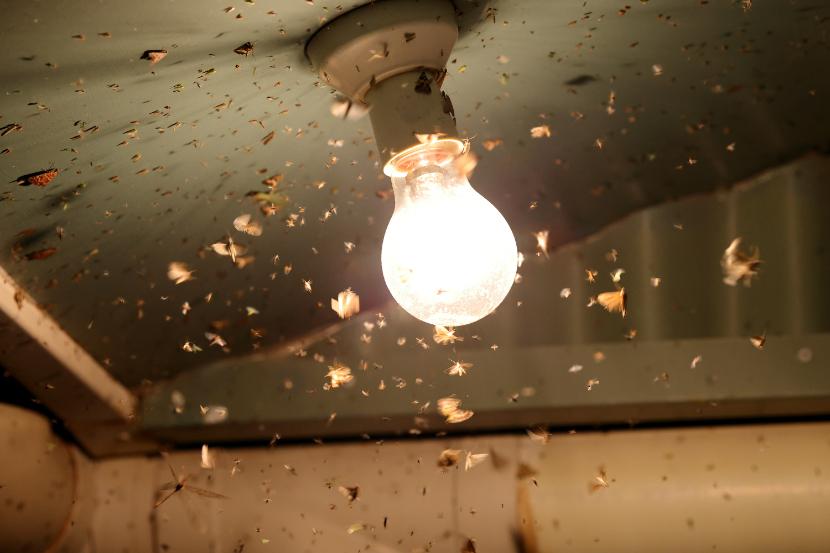
Most moths that find their way into your home are harmless visitors attracted to porch lights and open windows. The ones that become a real problem are the species that breed indoors, feeding on your stored food or your clothing and textiles. Pantry moths and clothes moths are the two categories homeowners in southeastern North Carolina and northeastern South Carolina are most likely to encounter, and each one targets a different part of your home.
If you're finding small moths fluttering around your kitchen or discovering holes in stored clothing, the issue is almost certainly one of these two groups.
Common Moth Species in the Home
Two species account for most moth problems in this region, and they target entirely different things.
Indian Meal Moths (Pantry Moths)
The most common stored-product moth. Adults are small (about 1/2 inch wingspan) with distinctive two-toned wings: pale gray near the head and coppery-bronze toward the tips. They lay eggs in stored dry goods including cereal, flour, rice, pasta, dried fruit, pet food, birdseed, and spices. The larvae — small white or cream-colored caterpillars — do the damage, leaving behind silk webbing and frass that contaminate the product.
Clothes Moths
Slightly smaller than pantry moths, pale gold or buff-colored with narrow wings. Unlike most moths, clothes moths avoid light and are more likely to be found hiding in dark closets and storage areas. The larvae feed on natural fibers including wool, silk, cashmere, fur, feathers, and felt, causing irregular holes in clothing, blankets, rugs, and upholstered furniture.
Signs of a Moth Infestation
- Small moths flying in the kitchen or pantry — Indian meal moth adults fly in erratic patterns near food storage areas, especially in the evening. Often the first visible sign.
- Silk webbing or clumps in dry goods — Open stored food packages and look for webbing, small larvae, or clumped-together particles. This contamination means moths have been breeding inside the product.
- Holes in stored clothing or textiles — Irregular holes in wool sweaters, blankets, or other natural-fiber items stored in closets or bins indicate clothes moth larvae.
- Larvae in closets or pantries — Small caterpillars (about 1/2 inch, whitish or cream-colored) found on walls, shelves, or ceilings near food storage or clothing areas.
- Cocoons in corners and crevices — Moth pupae spin silk cocoons in sheltered spots along shelf edges, ceiling corners, and behind stored items.
How McDuffie Treats Moth Infestations
We identify the moth species and locate the source. For pantry moths, this means checking stored food products. For clothes moths, we inspect closets, storage areas, and upholstered furniture.
The infested food products or contaminated materials are identified so you can discard them — this is the most critical step because no treatment works if the breeding source remains.
We treat shelving, closets, storage areas, and other harborage zones to eliminate larvae and pupae that have moved away from the original food or fabric source. We'll also recommend storage practices that prevent reinfestation.
Moth Prevention Tips
For pantry moths: Store dry goods in sealed, hard-sided containers. Transfer cereal, flour, rice, pasta, pet food, and birdseed from original packaging into glass or thick plastic containers with airtight lids — moths can chew through thin bags and cardboard. Inspect groceries before storing and rotate stock regularly.
For clothes moths: Clean items before storing — larvae are attracted to body oils and food residue on fabrics. Use sealed garment bags or airtight storage containers. Periodically inspect stored clothing and textiles, since clothes moths prefer items that sit undisturbed for months.
Schedule a Free Estimate
If moths are showing up regularly in your kitchen or you're finding damage to stored clothing, contact McDuffie Pest Control to schedule a free estimate. We'll identify the species, find the source, and help you eliminate the problem.
Schedule a Free Estimate
Frequently Asked Questions
How did pantry moths get into my food?
In most cases, pantry moths enter your home inside an already-infested product purchased from a grocery store or warehouse. Eggs or larvae can be present in packaging before you bring it home. Once inside, they spread to other stored products. This is why transferring dry goods into sealed, hard-sided containers is the most effective prevention step.
Do moth balls work for clothes moths?
Traditional mothballs contain pesticides that can repel and kill clothes moths, but they produce strong fumes that many homeowners find unpleasant and can be hazardous to children and pets. Sealed storage in airtight containers or garment bags is a safer and equally effective alternative. Cedar products may provide some deterrent effect but are not reliable as a standalone solution.
Can moths damage my furniture?
Clothes moth larvae can feed on natural-fiber upholstery, including wool and silk. If you're finding damage on upholstered furniture, it may be clothes moths or carpet beetles. A professional inspection can identify which pest is responsible and recommend the appropriate treatment.
How long does it take to get rid of pantry moths?
Eliminating pantry moths typically takes two to four weeks. Discarding infested products and thoroughly cleaning the pantry removes the primary breeding source. Treatment addresses larvae and pupae that have moved away from the food source. Because the moth life cycle spans several weeks, monitoring for new adults over the following month confirms the infestation has been fully resolved.