Ants
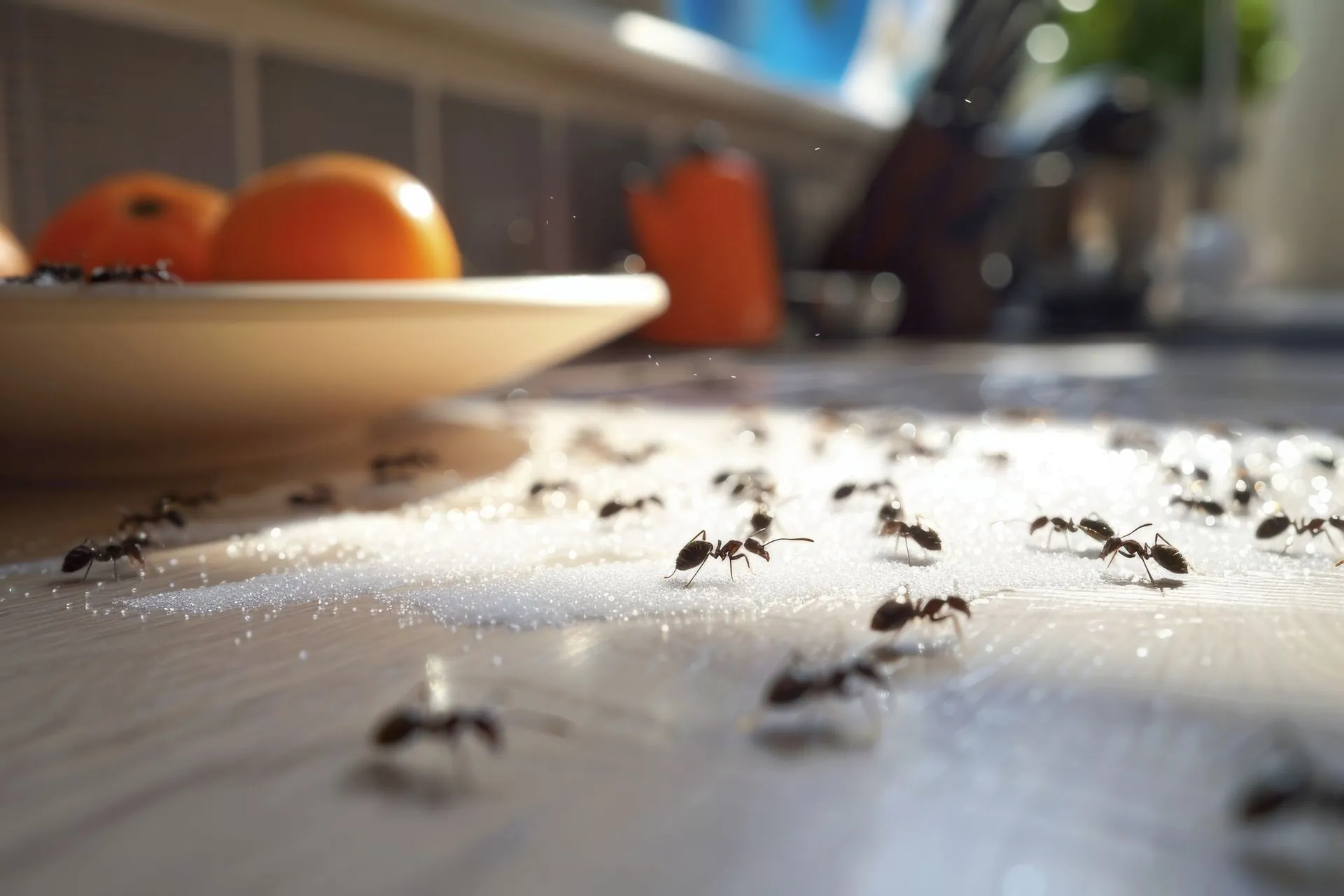
Ants are the single most common reason homeowners in southeastern North Carolina and northeastern South Carolina call for pest control service. They show up in kitchens, bathrooms, crawl spaces, and along foundations, and once a colony establishes a trail into your home, the problem rarely resolves on its own.
While most ant species are primarily a nuisance, some pose real risks. Carpenter ants tunnel through wood and cause structural damage over time. Other species contaminate food, and established colonies near your home can attract secondary pests like spiders that feed on them.
Several ant species are common in this region, and identifying which one you're dealing with is the first step toward effective treatment. If you're dealing with fire ants specifically, visit our dedicated fire ant page for information on identification, risks, and treatment.
Common Ant Species in the Carolinas
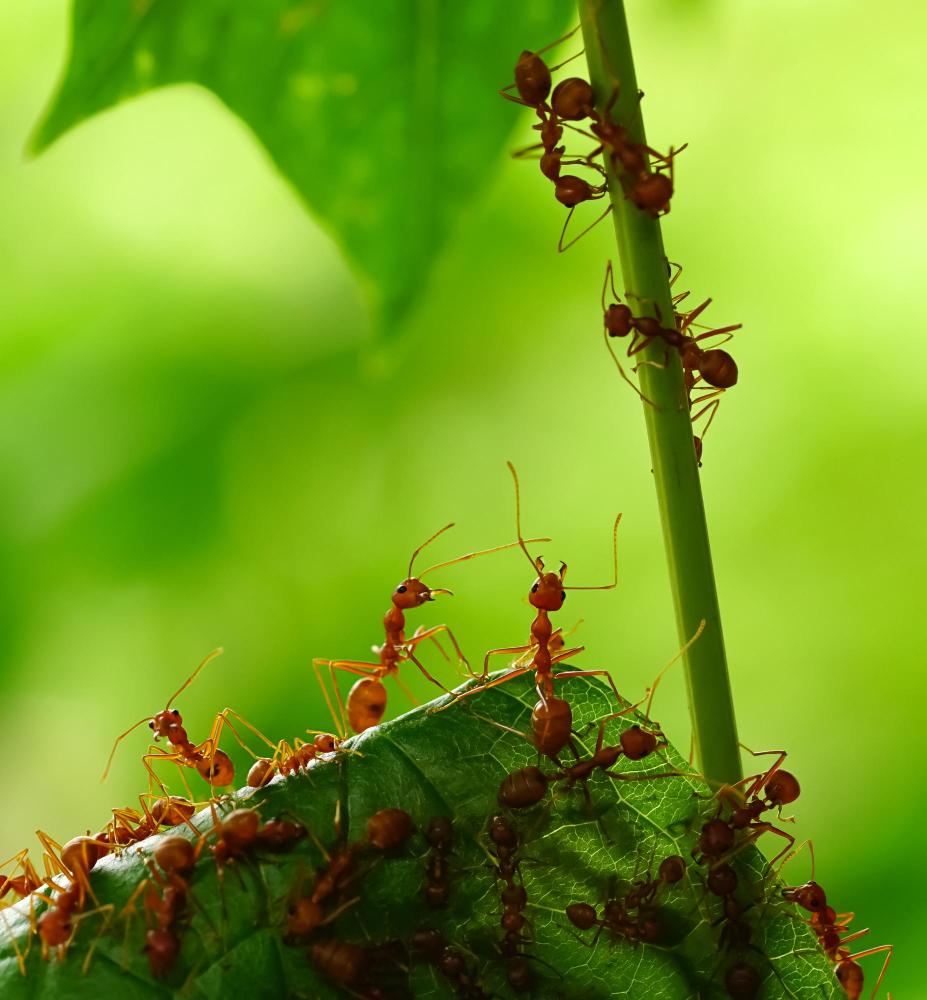
Not all ants behave the same way, and the species you're dealing with directly affects how treatment should be approached. Here are the most common species our technicians encounter.
Carpenter Ants
Among the largest ants in the region (up to half an inch), typically black or dark brown. They excavate smooth galleries inside moisture-damaged wood to build nests, producing small piles of fine sawdust-like debris called frass. Common nesting sites include crawl spaces, window frames, and areas around plumbing leaks.
Odorous House Ants
The species most people call "sugar ants." Small (about an eighth of an inch), brown to black, with a distinctive rotten-coconut smell when crushed. They're attracted to sweets and moisture, which is why they're so often found trailing across kitchen counters and around sinks.
Argentine Ants
An invasive species that forms enormous supercolonies containing millions of individuals. Small, light to dark brown, and aggressive toward native ant species. They nest in mulch beds, under landscaping stones, and along foundations.
Pavement Ants
Small, dark brown ants that nest in cracks in driveways, sidewalks, and foundation walls. You'll often notice small mounds of displaced soil along concrete seams where they've been excavating.
Pharaoh Ants
Tiny (about a sixteenth of an inch), pale yellow to light brown, and notoriously difficult to control. They nest indoors in wall voids and warm, humid areas. A particular concern in healthcare and food service settings because they spread bacteria while foraging.
Ghost Ants
Very small with dark heads and pale, almost translucent bodies. Moisture-seekers that frequently nest in kitchens and bathrooms, particularly around sinks and potted plants.

Signs of an Ant Infestation
A few stray ants near food isn't necessarily cause for alarm, but certain signs point to an established colony.
- Consistent trailing patterns — Ants traveling in organized lines along the same path are following pheromone trails. If the trail reappears after cleaning, the colony is active and nearby.
- Sawdust-like piles near wood — Fine, clean wood shavings (often containing insect parts) near baseboards, window sills, or beams suggest carpenter ant tunneling.
- Winged ants indoors — Swarmers inside your home, especially in spring, mean a mature colony is established within or very near the structure.
- Activity in multiple areas — Ants in the kitchen, bathroom, and along the foundation simultaneously suggest a large or multi-colony problem.
If you're unsure whether what you're seeing is a minor issue or an infestation, contact us.
Swarmer Ants vs. Swarmer Termites
Several ant species produce swarmers seasonally. Both carpenter ants and termites damage wood and produce winged swarmers in spring, so confusion between the two is common. Here's how to tell them apart.
| Feature | Carpenter Ants | Termites |
|---|---|---|
| Body shape | Pinched waist, bent antennae | Thick, straight waist, straight antennae |
| Wings | Front pair longer than back pair; wings are sturdy | Both pairs equal length; wings are fragile and shed easily |
| Color | Dark brown to black | Typically darker in color |
| Wood damage | Smooth, clean galleries; frass (sawdust) pushed out of nest | Rough tunnels packed with soil or mud |
| Other evidence | Visible foraging trails, especially at night | Mud (shelter) tubes along foundations, piers, and other structural members |
| Feeding | Don't eat wood; tunnel to create nests | Consume wood as a food source, always foraging, 24/7 |
Both pests cause real structural damage and warrant professional treatment. If you're not sure which one you're dealing with, our technicians can identify it during an inspection. Contact us to schedule.
Why DIY Ant Control Often Falls Short
Store-bought sprays kill the ants you can see, but those visible foragers represent a tiny fraction of the colony. Repellent sprays simply redirect ants to a different entry point while the colony remains intact.
With certain species like pharaoh ants and Argentine ants, repellent products trigger "budding," where the colony fragments into multiple new colonies, each with its own queen. What started as one colony becomes two or three, and a problem in one room spreads throughout the house.
Effective treatment requires identifying the species, locating the colony, and applying the right product to eliminate the population at its source. Without that, you're managing symptoms rather than solving the problem.
If you've been treating ants on your own and they keep coming back, the colony is almost certainly still intact and nearby. Professional treatment is the most reliable way to eliminate it for good.
How McDuffie Treats Ant Infestations
McDuffie Pest Control uses an Integrated Pest Management approach for every ant treatment. Our process starts with a thorough inspection to identify the species, locate the colony, and determine how ants are entering your home.
Treatment typically involves non-repellent products or baits that worker ants carry back to the colony, where they're shared with the larvae and other members. This eliminates the colony at its source rather than pushing ants from one entry point to another.
For carpenter ants, treatment also addresses the moisture conditions that attracted them, and we'll recommend moisture control measures to prevent recolonization when needed.
Our quarterly and tri-annual service plans include ongoing ant monitoring as part of every visit, and our free callback policy means we'll come back between scheduled treatments at no extra charge if you notice new activity.
Ant Prevention Tips
These steps can make your home less attractive to ants and reduce the likelihood of an infestation taking hold.
Seal Entry Points
Caulk cracks and gaps around doors, windows, utility lines, and the foundation. Ants can enter through very small openings, so a thorough seal is important.
Keep Food Sealed
Store pantry items in airtight containers, wipe counters after food prep, and don't leave pet food out overnight. Remove the food source and you remove the attraction.
Reduce Moisture
Fix leaking faucets and dripping pipes. Many species, including carpenter ants, are drawn to moisture above all else. Crawl space moisture management is especially important.
Trim Vegetation
Branches and shrubs touching the exterior create bridges for ants to reach the structure. Maintain a clear gap between landscaping and the house.
Move Firewood
Store firewood at least 20 feet from the house and elevated off the ground to discourage carpenter ants, which are strongly attracted to wood and moisture.
Get a Free Estimate
If ants have established themselves in your home, McDuffie Pest Control can help. We'll identify the species, locate the colony, and build a treatment plan that solves the problem at its source.
Contact us today to schedule. We've been protecting homes across southeastern North Carolina and northeastern South Carolina since 1964.
Get in Touch Today
Frequently Asked Questions
Why do I keep seeing ants in my kitchen?
Kitchens provide the three things ants need: food, water, and shelter. Even small crumbs, a dripping faucet, or a sticky residue on a counter can sustain a foraging trail. If ants keep coming back after you clean, the colony has established a reliable pheromone path to your kitchen, and the underlying colony needs to be addressed directly through professional treatment.
Are carpenter ants as destructive as termites?
Carpenter ants can cause significant structural damage over time, but the scope is generally less severe than a termite infestation. The key difference is that carpenter ants tunnel through wood to nest in it, while termites consume wood as a food source and work around the clock. Both warrant professional treatment, and if you're not sure which pest is responsible for damage you've found, our technicians can identify it during an inspection.
What's the difference between ants and fire ants?
Fire ants are a specific species (primarily the Red Imported Fire Ant in the Carolinas) known for their aggressive behavior and painful stings. They build large mounds in yards and open areas and attack in swarms when their nest is disturbed. Other ant species found inside homes, like odorous house ants or carpenter ants, behave very differently and pose different risks. For detailed information on fire ants, visit our fire ant page.
How much does ant treatment cost?
Pricing depends on the species, the extent of the infestation, and the size of your property. Contact us for a free inspection and customized quote. Many homeowners find that a quarterly or tri-annual service plan provides the best long-term value because it addresses ants along with other common pests.
How quickly can you treat an ant problem?
In most cases, we can schedule an inspection within a few days of your call. Treatment often begins the same day as the inspection. Results depend on the species and the size of the colony, but most homeowners see a significant reduction in activity within one to two weeks of the initial treatment.
Are your ant treatments safe for pets?
Yes. At McDuffie Pest Control, we all love our furry companions. Our technicians account for pets during every service visit, and the products we use are applied in targeted areas and at concentrations that are safe for your household once dry. Let us know about your pets when you schedule, and we'll take appropriate precautions during the visit.