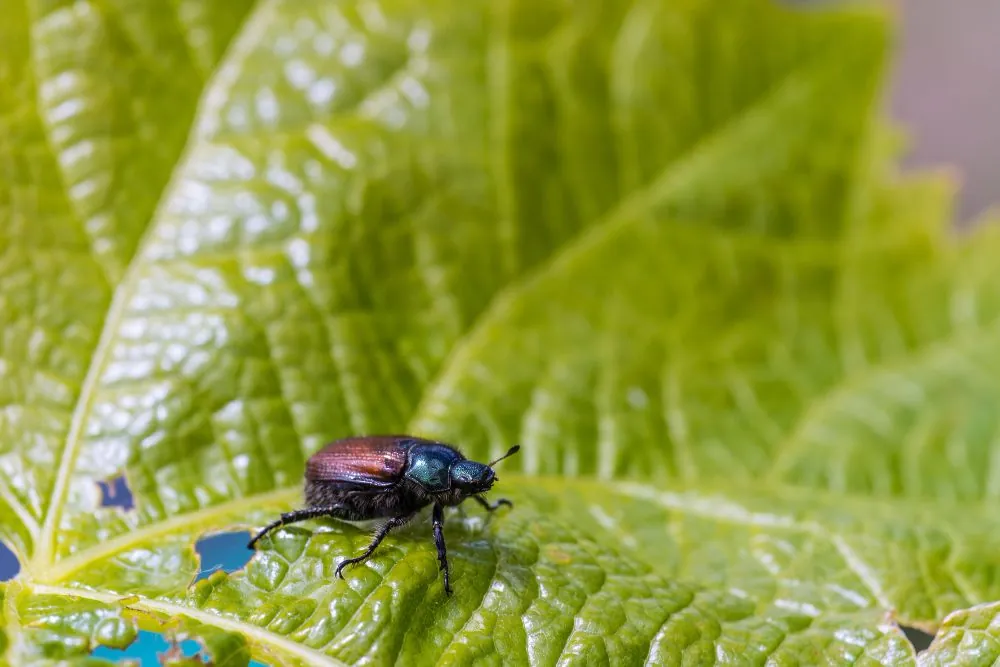
Beetles
There are thousands of beetle species in the world, but only a handful are regular concerns for homeowners in southeastern North Carolina and northeastern South Carolina. The ones that matter most fall into two categories: wood-destroying beetles that can damage your home's structure, and fabric or stored-goods beetles that damage clothing, carpets, and pantry items.
Identifying which type of beetle you're dealing with determines both the urgency and the treatment approach.
Common Beetle Species in the Carolinas
Each beetle type targets different materials and requires a different treatment approach. Identifying the species is the critical first step.
Powder Post Beetles
Small (1/8 to 1/4 inch), reddish-brown to black. They bore into hardwood to lay eggs, and larvae feed on wood as they develop, targeting flooring, furniture, structural framing, and cabinetry. Damage happens from the inside out — small round exit holes and fine powdery sawdust (frass) are often the first signs. Classified as wood-destroying insects and can appear on WDIR inspections.
Carpet Beetles
Small (1/8 inch or less), round or oval, often mottled with black, white, and orange patterns. The adults are harmless, but larvae feed on wool, silk, leather, fur, feathers, and other animal-based fibers, leaving irregular holes in clothing, rugs, upholstery, and stored textiles. Larvae are small, fuzzy, and often found in closets and along baseboards.
Ladybugs (Lady Beetles)
Familiar round beetles, typically orange or red with black spots. They're beneficial outdoors but become a nuisance in fall and winter when they enter homes in large numbers seeking warmth. They don't cause structural or fabric damage but can stain surfaces and produce an unpleasant odor when disturbed.

Signs of a Beetle Problem
The signs of beetle activity vary by species. Knowing what to look for helps you identify the problem early before it causes significant damage.
- Tiny round exit holes in wood — With fine, powdery sawdust beneath — the signature of powder post beetle activity. Holes are about the diameter of a pinhead and the powder is finer than carpenter ant frass.
- Damaged fabrics and irregular holes — Holes in clothing, rugs, or upholstery along with small fuzzy larval skins in closets or along baseboards point to carpet beetle larvae feeding on natural fibers.
- Beetles clustering near windows and doors in fall — Typically a ladybug invasion. They're drawn to the warm side of the house and enter through gaps in siding, soffits, and window frames.
If you're noticing exit holes in wood or unexplained damage to clothing and textiles, contact us. Early detection is especially important with powder post beetles, where damage compounds over time.
How McDuffie Treats Beetle Infestations
Treatment depends on the species and the extent of the problem. All beetle treatments follow our Integrated Pest Management approach: inspect first, identify the species and source, and apply targeted treatment rather than broad-spectrum sprays.
Powder post beetles: Our technicians inspect affected wood to determine whether the infestation is active or old. Active infestations are treated with targeted applications. Because powder post beetles are wood-destroying insects, we also document findings as part of WDIR inspections for real estate transactions.
Carpet beetles: Treatment focuses on identifying the source of the infestation — often a forgotten closet, stored clothing, or taxidermy — treating affected areas, and recommending steps to eliminate the food source sustaining the larvae.
Ladybugs and occasional invaders: For large-scale invasions, we treat entry points and harborage areas. Sealing gaps in the home's exterior is the most effective long-term prevention.
Beetle Prevention Tips
Inspect wood before bringing it inside. Used furniture, reclaimed wood, and shipped crates can harbor powder post beetle larvae. Look for small exit holes and fine dust before bringing items into your home.
Store clothing and textiles properly. Use sealed containers or garment bags for wool, silk, and other natural fibers. Clean items before storing, since carpet beetle larvae are attracted to body oils and food residue on fabric.
Seal entry points before fall. Caulk gaps around windows, doors, siding, and soffits to reduce ladybug and other seasonal beetle invasions.
Address moisture issues. Powder post beetles, like most wood-destroying insects, are drawn to wood with higher moisture content. Proper crawl space moisture management reduces risk significantly.
Get a Free Beetle Evaluation
If you're seeing signs of beetle activity in your home, McDuffie Pest Control can help identify the species and recommend the right treatment.
Contact us today to schedule. We've been protecting homes across southeastern North Carolina and northeastern South Carolina since 1964.
Get in Touch Today
Frequently Asked Questions
Are powder post beetles as dangerous as termites?
Powder post beetles can cause significant damage to hardwood over time, but they work more slowly and affect a narrower range of materials than subterranean termites. That said, an active powder post beetle infestation is a serious concern and will appear on a WDIR inspection during a real estate transaction. If you're seeing exit holes or fine powder on wood surfaces, have a professional assess the situation promptly.
How do I know if I have carpet beetles?
The most common signs are irregular holes in wool clothing, rugs, or upholstery, along with small fuzzy larval skins found in closets, drawers, or along baseboards. You may also spot the small, round adult beetles near windows, since they're attracted to light. The damage is caused by the larvae, not the adults.
Do beetles show up on a WDIR inspection?
Powder post beetles do. They're classified as wood-destroying insects alongside termites, carpenter ants, and carpenter bees. A WDIR inspection documents the presence or absence of these pests and any damage they've caused. This is required by most mortgage lenders during real estate transactions in North Carolina. Visit our WDIR page for more information.
How much does beetle treatment cost?
Pricing depends on the species, the extent of the infestation, and the size of the affected area. Contact us for a free inspection and customized quote.