Spider Control in Southeastern NC & Northeastern SC
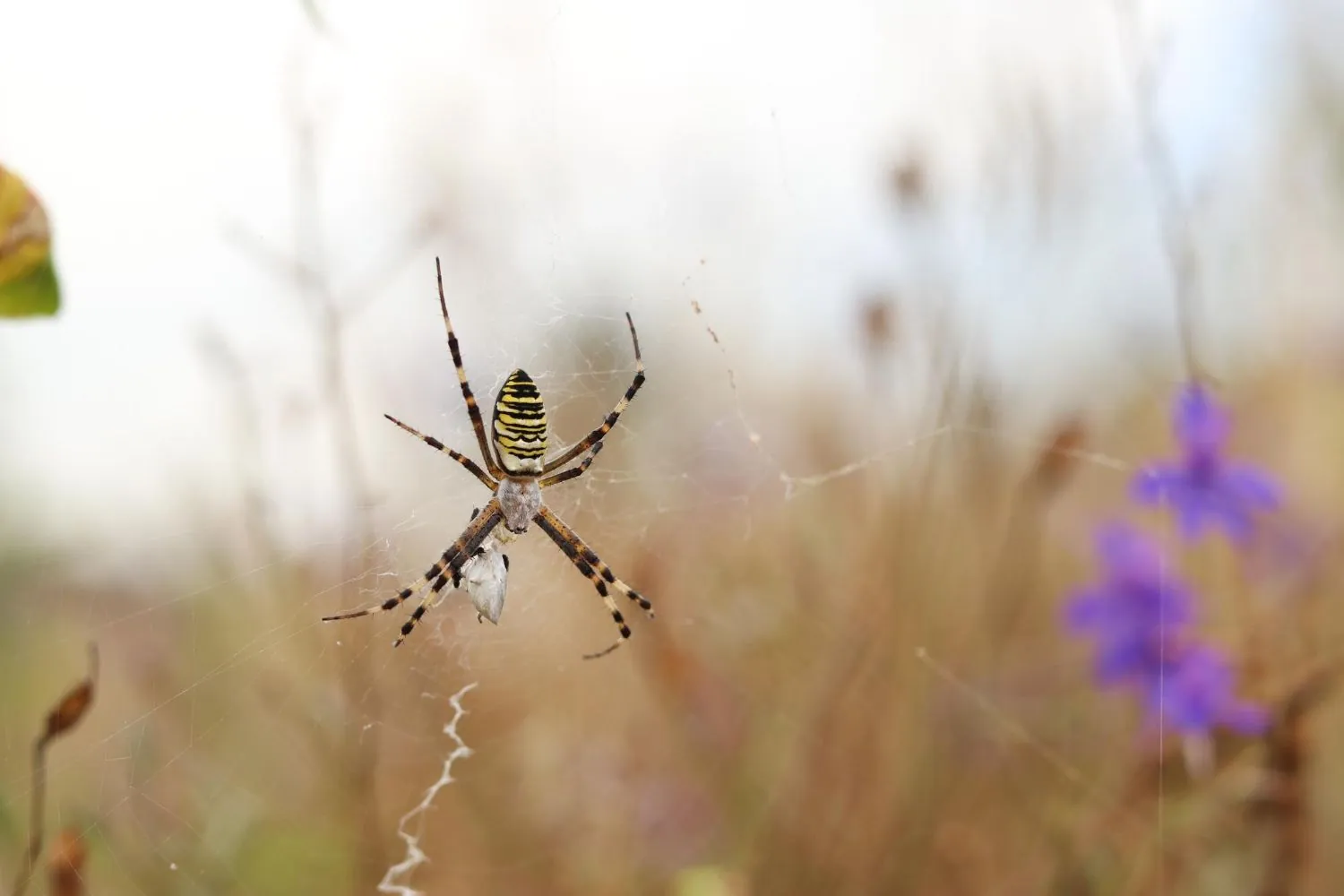
Spiders are one of the most common household pests in our region, and while most species are harmless, that doesn't make them welcome. Webs collecting in corners, egg sacs appearing along ceilings, and spiders showing up in bedrooms and bathrooms are enough to make any homeowner uncomfortable. More importantly, southeastern North Carolina and northeastern South Carolina are home to species that pose genuine health risks: in particular the black widow.
Whether you're dealing with a persistent web problem or concerned about a potentially dangerous spider, McDuffie Pest Control provides targeted spider control to reduce populations in and around your home and address the conditions that attract them. We also offer environmentally approved treatments for docks, piers, and other sensitive areas. Whether your problem is inside the house or out on the water, we have a solution that's effective and responsible. We've been helping homeowners across the region handle spider problems for over 60 years, and we know what works in our climate.

Spiders Common to Our Region
Several spider species are commonly found in homes and properties across southeastern NC and northeastern SC. Knowing what you're dealing with helps determine the right approach to treatment.
- Common House Spiders: The most frequently encountered spider in homes. House spiders are yellowish-brown with dark stripes and are best known for the tangled webs they build in corners, along ceilings, and around windows. They're a nuisance rather than a danger, but female house spiders can lay up to 250 eggs per sac, and those eggs hatch in roughly seven to ten days. A small presence can grow quickly.
- Black Widow: A venomous species found in our region. Black widows are glossy black with a red hourglass marking on the underside of their abdomen. They tend to build webs in garages, crawl spaces, woodpiles, and outdoor structures. Their bites can cause significant pain, muscle cramps, and other symptoms that may require medical care.
- Wolf Spiders: Large, fast-moving spiders that are often startling but generally harmless to humans. Wolf spiders don't build webs — instead, they hunt their prey directly, which means they're often spotted running across floors or walls. Their size makes them one of the most alarming spiders homeowners encounter, even though they rarely bite.
For more detailed identification information, including photos and behavior, visit the Spiders page in our Pest Library.
When to Call a Professional
A stray spider now and then is normal in any home. But certain situations call for professional spider control. If any of these apply, a professional inspection can help you understand the scope of the issue and put a plan in place to resolve it.
Recurring Webs
Webs keep reappearing shortly after you clean them, especially in the same locations — a sign that spiders are actively nesting nearby and treatment is needed at the source.
Dangerous Species Spotted
You've spotted a black widow, or a spider you can't confidently identify. Don't handle it — contact us for an estimate. Our technicians are trained to identify spider species accurately.
Spiders in Living Areas
Spiders are showing up in bedrooms, bathrooms, or living areas where your family spends time — not just in garages or storage spaces where occasional sightings are more expected.
Large Numbers of Spiders
You're seeing large numbers of spiders, which often signals a broader insect problem in your home. Spiders follow their food source, so high activity usually means something else is drawing them in.
Egg Sacs Present
Egg sacs are present, indicating an active breeding population that will grow quickly without treatment. A single egg sac can contain hundreds of spiderlings.
The Integrated Pest Management Approach to Spider Control
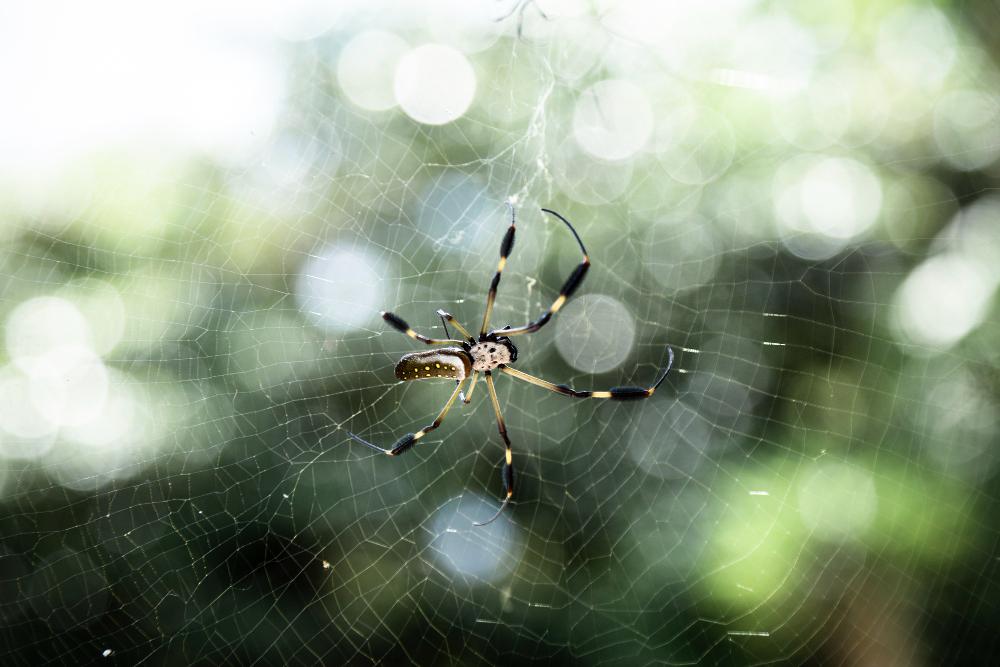
One of the most important things to understand about spider control is that spiders go where the food is. If your home has a spider problem, it's very likely you also have an underlying insect population attracting them. Flies, mosquitoes, ants, and other small insects are a spider's primary food source, so reducing those populations is a critical part of any effective spider control strategy.
Our technicians use an Integrated Pest Management approach to address spider activity from multiple angles. This starts with a thorough inspection to identify the types of spiders present, where they're nesting, and what's drawing them to your home. From there, we apply targeted exterior perimeter treatments to reduce insect populations around your home's foundation, windows, and entry points.
Interior treatments focus on areas where spiders are most active, including corners, closets, basements, crawl spaces, and attics. We also remove existing webs and egg sacs during service visits. For homes with ongoing pest pressures, our residential pest control plans provide year-round coverage that naturally reduces spider activity over time.
Take Back Your Home from Spiders
Spiders don't have to be a part of your daily life at home. If webs, egg sacs, or spider sightings have become a regular occurrence, McDuffie Pest Control can help you get it under control.
Contact us today to schedule. We'll identify what you're dealing with, treat the problem, and help you keep spiders out for good.
Schedule Now
Frequently Asked Questions
Are brown recluse spiders common in North Carolina?
Brown recluses are present in North Carolina. They are not native to North Carolina and are very rare in the state, with established populations being uncommon. While they may occasionally be transported into the state in boxes or shipments, they are not typically found in the wild or inside homes. They tend to stay hidden in dark, undisturbed spaces like closets, attics, basements, and boxes, which means homeowners may not realize they're present until they come across one unexpectedly. If you suspect brown recluse activity, we recommend a professional inspection rather than attempting to handle it on your own. Their bites can cause serious tissue damage and should not be taken lightly.
How do I know if I have a dangerous spider in my home?
Probably the most medically significant spider in our region is the black widow spider. Black widows are glossy black with a red hourglass on the underside of their abdomen. If you see a spider you can't identify or suspect it may be one of these species, avoid handling it and contact us for an inspection. Our technicians are trained to identify spider species accurately and recommend the appropriate treatment.
Why do I keep seeing spiders even after cleaning webs?
Cleaning webs removes the visible evidence, but it doesn't address what's attracting spiders to your home in the first place. Spiders follow their food source, so a persistent spider presence usually means there's an underlying insect population drawing them in. Effective spider control requires treating both the spiders and the insects they're feeding on, along with sealing entry points and addressing environmental conditions.
Will regular pest control reduce spider activity?
Yes. Because spiders feed on insects, reducing the overall insect population in and around your home has a direct impact on spider activity. Our residential pest control plans include exterior perimeter treatments, targeted interior treatment, and ongoing monitoring that naturally decreases the food sources spiders rely on. Most homeowners on regular service plans see a noticeable reduction in spider activity over time.