Fleas & Ticks
Fleas and ticks are blood-feeding parasites that pose health risks to both people and pets. In southeastern North Carolina and northeastern South Carolina, the warm and humid climate supports active flea and tick populations for most of the year. Both pests are commonly picked up outdoors and brought inside on pets, clothing, or shoes, but the problems they cause and the way they're treated differ significantly.
Fleas reproduce rapidly indoors and can turn a household into an infestation within weeks. Ticks are primarily an outdoor threat and carry serious diseases including Lyme disease. Whether you're dealing with one or both, prompt treatment protects your family and your pets.
Common Species in the Carolinas
Understanding the specific species helps determine the right treatment and the level of health risk involved.
Fleas
Tiny (about 1/8 inch), dark reddish-brown, wingless, with flattened bodies and powerful jumping legs. You're more likely to notice their signs than the fleas themselves. On pets: excessive scratching and small dark specks (flea dirt) in the fur. On people: small red itchy bumps around ankles and lower legs.
Blacklegged Ticks (Deer Ticks)
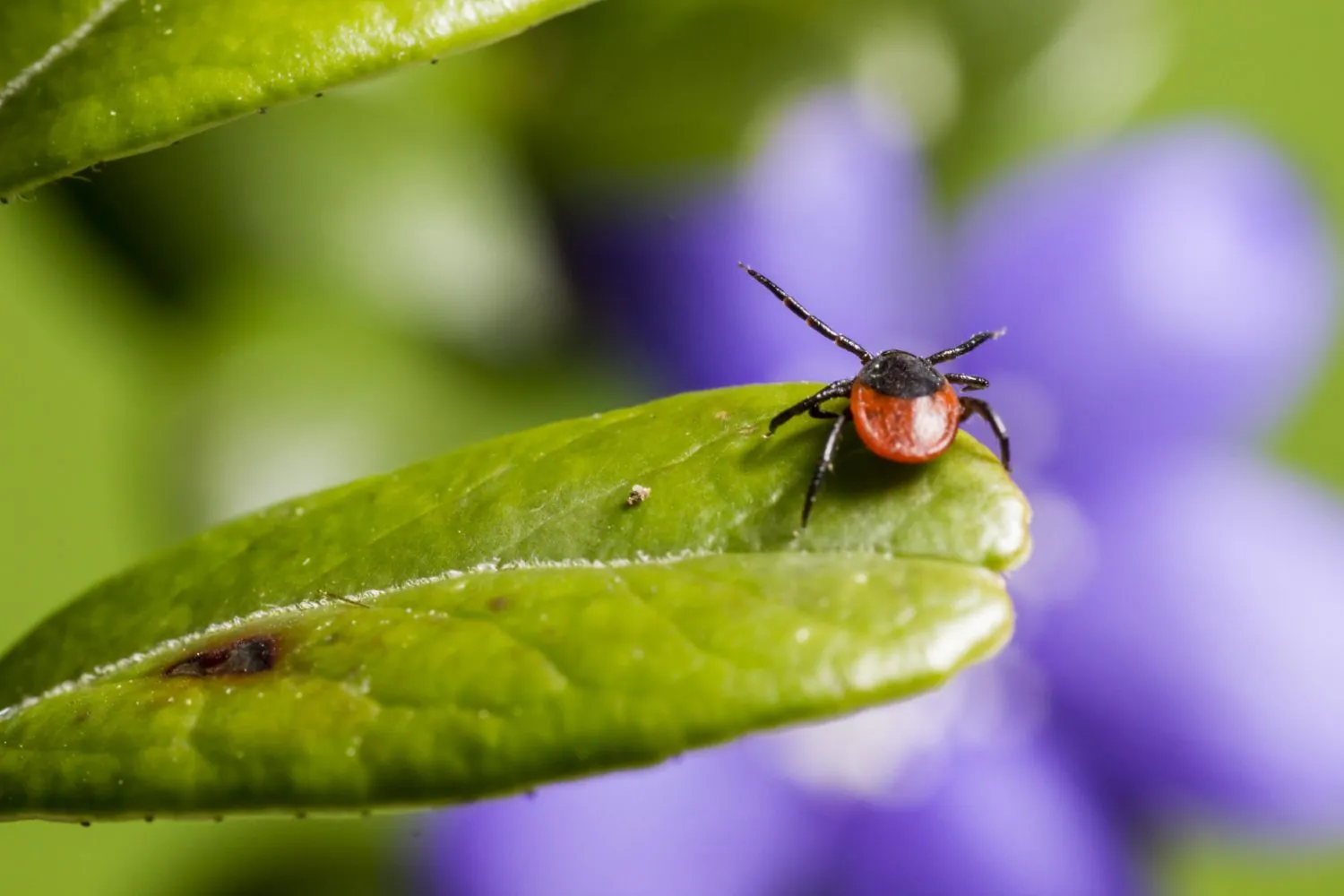
Small (about 1/8 inch unfed), dark brown to black with an orange-red body. Primary carriers of Lyme disease, anaplasmosis, and babesiosis. Most active in spring and fall, though active in mild winter weather as well.
American Dog Ticks
Larger than deer ticks, brown with white or gray mottled markings. They transmit Rocky Mountain spotted fever and tularemia. Most active in spring and summer.
Lone Star Ticks
Medium-sized, brown, with a distinctive white spot on the female's back. Aggressive feeders associated with ehrlichiosis and alpha-gal syndrome. Very common in the Carolinas and active throughout warmer months.

Signs and Health Risks
Ticks are a genuine health concern — not just a nuisance. Diseases transmitted by ticks in this region include Lyme disease, Rocky Mountain spotted fever, ehrlichiosis, anaplasmosis, and alpha-gal syndrome.
- On pets — Excessive scratching, biting at the skin, hair loss around the tail and belly, and small dark specks in the fur (flea dirt) confirm flea activity.
- On people — Flea bites appear as small red itchy bumps in clusters around ankles. Tick bites may present as a small bump or redness at the attachment site.
- In the home — Tiny white flea larvae or dark flea dirt in carpet fibers, pet bedding, and furniture crevices indicate an active flea infestation.
- Tick attachment — Most tick-borne diseases require the tick to be attached for several hours before transmission. Prompt removal is critical. If you develop fever, fatigue, body aches, or rash after a tick bite, consult a healthcare provider.
How to remove a tick: Use fine-tipped tweezers, grasp as close to the skin as possible, and pull straight up with steady even pressure. Don't twist, crush, or apply heat. Clean the area with rubbing alcohol or soap and water.
How McDuffie Treats Fleas and Ticks
We assess your home, yard, and pet areas to determine the severity of the problem and identify the species involved.
Indoor flea treatment: We treat carpets, upholstered furniture, pet resting areas, and other harborage zones with products that target adult fleas and inhibit egg and larval development. Follow-up treatments address emerging pupae.
Outdoor treatment: We treat the yard areas where fleas and ticks are most concentrated — shaded areas, tree lines, fence rows, and areas where pets spend time. This reduces the population before they can attach to hosts.
Coordinate with your vet: We strongly recommend coordinating with your veterinarian on pet-specific flea and tick prevention. Treating the home and yard without treating the pet leaves the cycle incomplete.
Prevention Tips
Keep pets on veterinarian-recommended prevention. This is the single most effective step for protecting both your pets and your home from fleas and ticks.
Check for ticks after outdoor activity. Inspect yourself, your children, and your pets after spending time in wooded areas, tall grass, or brush. Pay attention to the scalp, behind the ears, underarms, waistline, and between the toes.
Maintain your yard. Keep grass mowed short, trim brush along fence lines, and remove leaf litter. These reduce the shaded, humid habitat that ticks prefer.
Wash pet bedding regularly. Laundering pet bedding in hot water kills flea eggs, larvae, and adults.
Vacuum frequently during active infestations. Vacuuming picks up flea eggs, larvae, and pupae from carpets and furniture. Dispose of the vacuum bag or empty the canister outside after each session.
Schedule a Free Estimate
If fleas or ticks are a problem on your property or in your home, contact McDuffie Pest Control to schedule a free estimate. We'll identify the species, assess the extent of the problem, and build a treatment plan that covers your home, your yard, and the areas where your family and pets spend the most time.
Schedule a Free Estimate
Frequently Asked Questions
Can I get fleas even if I don't have pets?
Yes. Fleas can enter a home on clothing or shoes, and wildlife like squirrels, raccoons, and feral cats can deposit flea eggs in your yard. Homes with previous pet owners may also have dormant flea pupae in the carpet that hatch when new residents move in and provide the vibration and body heat that triggers emergence.
How long does it take to get rid of fleas?
Because of the flea life cycle, complete elimination typically takes two to four weeks. The initial treatment kills adult fleas and disrupts larval development, but pupae that are already in cocoons may continue to hatch over the following weeks. Follow-up treatments address these emerging adults. Consistent vacuuming and pet treatment accelerate the process.
What should I do if I find a tick on my child?
Remove it promptly with fine-tipped tweezers, pulling straight up with steady pressure. Clean the area with rubbing alcohol or soap and water. Save the tick in a sealed container. Monitor for symptoms over the following weeks, including fever, rash, fatigue, or body aches. If symptoms develop, consult a healthcare provider and bring the saved tick for identification.
Are flea and tick treatments safe for my pets?
The products we use in your home and yard are safe for your household once dry. However, we recommend coordinating with your veterinarian on pet-specific treatments. Let us know about your pets when you schedule, and our technicians will take appropriate precautions during the visit.