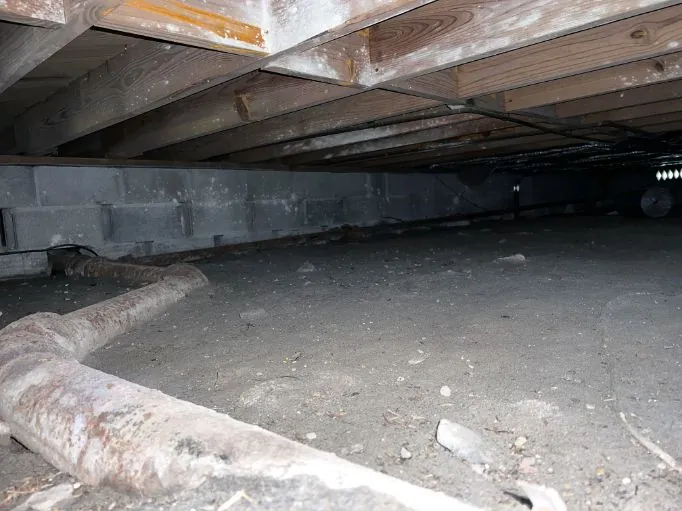
If you have ever caught a musty smell on the lower floor of your home or noticed your floors feeling a little soft underfoot, the answer may be hiding beneath you. In southeastern North Carolina, the warm, humid climate that defines our region also makes crawl spaces a prime spot for moisture to build up. Left unchecked, that moisture quietly works against your home's health, comfort, and structural integrity.
Many homeowners ask the same question: do I need crawl space encapsulation, or is my crawl space fine as it is? The honest answer is that it depends on what is actually happening under your home, and there are clear warning signs that point the way. This guide walks through the signs of crawl space moisture that southeastern NC homeowners should know, explains what encapsulation involves, and helps you decide when it is time to take a closer look.
Quick Summary
- Crawl space moisture is common in southeastern NC because of our warm, humid climate.
- Warning signs include musty odors, sagging floors, visible mold, condensation, higher energy bills, and increased allergy symptoms.
- Up to half the air in your home rises from the crawl space, so moisture below affects the air you breathe above.
- Sustained moisture can cause wood rot, a fungal decay that weakens structural wood; controlling moisture prevents it.
- Encapsulation seals the crawl space with a heavy-duty vapor barrier, dehumidifier, and sump pump (if necessary) to create a controlled, dry environment.
- A professional inspection is the only reliable way to confirm whether your crawl space needs encapsulation.
Why Your Crawl Space Matters More Than You Think
Most homeowners rarely think about the space beneath their floors, yet it plays a surprisingly large role in the home above. Up to half the air circulating inside your home filters up from the crawl space through cracks, openings, and vents. If that space is damp, the air rising into your living areas carries mold spores, mildew, musty odors, and allergens along with it.
Beyond air quality, excess moisture sets off a chain reaction. Damp conditions attract insects and rodents searching for water. Mold and fungus take hold on floor joists and subflooring. Over time, wood-destroying organisms can compromise the wood that holds your home together. For a homeowner who has invested in their property, uncontrolled crawl space moisture is one of the most preventable threats to both home value and family well-being.
What Is Wood Rot, and How Is It Connected to Moisture?
One of the most serious consequences of a damp crawl space is wood rot, and understanding it helps explain why moisture control matters so much. Wood rot is decay caused by fungi that feed on wood and break it down over time. Those fungi need three things to grow: a food source, oxygen, and, most importantly, moisture. Remove the moisture and the decay process cannot continue.
How Wood Rot Develops in a Crawl Space
In a crawl space, the wood structure sits close to the ground in an environment that can stay damp for long stretches. When the moisture content of floor joists, beams, and subflooring stays high, decay fungi can take hold and slowly consume the wood from the inside. Homeowners sometimes hear the terms "wet rot" and "dry rot," but both require moisture to begin. The "dry" label simply refers to the crumbly, dried-out appearance the wood can take on after the fungus has done its damage.
Why Wood Rot Matters
Left unaddressed, wood rot weakens the very structure that supports your floors and walls. It can lead to the same sagging, soft floors that signal a moisture problem, and in advanced cases it requires replacing structural wood. Wood rot is also a close cousin of termite trouble, since the damp conditions that invite decay fungi are the very same conditions that attract subterranean termites. Tackling the moisture addresses both threats at once.
Prevention Versus Repair: Two Different Jobs
This is an important distinction. Controlling crawl space moisture is the most effective way to prevent wood rot, and it is also how you stop active decay from spreading once it has started. McDuffie Pest Control focuses on that side of the equation: we eliminate the moisture source through encapsulation, vapor barriers, and dehumidification, and we treat the fungus and mold that accompany a damp crawl space.
Repairing or replacing wood that has already rotted is a separate trade. Structural repairs are handled by a licensed contractor or carpenter, not a pest and moisture company. The most practical sequence is usually to address the moisture first, since repairing rotted wood without fixing the underlying dampness only sets the stage for the problem to return. Think of moisture control as protecting the repair, and the repair as restoring what the moisture damaged.
Signs Your Crawl Space May Need Encapsulation
Crawl space problems in southeastern NC rarely announce themselves all at once. Instead, they show up as small, easy-to-dismiss symptoms that grow over time. Here are the signs worth paying attention to.
1. Persistent Musty Odors
A damp, earthy smell on the lower floors of your home is one of the most common early indicators. That odor is often the smell of mold or mildew growing in the crawl space, carried upward by the air that rises through your floors. If the smell lingers no matter how much you clean, the source may be below you rather than around you.
2. Sagging or Soft Floors
Floors that feel spongy, uneven, or soft underfoot can signal that moisture has been affecting the wood beneath them. High humidity in a crawl space weakens floor joists and subflooring over time. When you notice a change in how your floors feel, it is worth investigating what is happening underneath.
3. Visible Mold, Mildew, or Fungus
If you can see mold or mildew on crawl space surfaces, foundation walls, or floor joists, moisture has clearly taken hold. Fungus growth on structural wood is a particular concern because it points to conditions that also attract wood-destroying organisms. Visible growth is a strong sign that the environment beneath your home needs attention.
4. Condensation and Standing Water
Condensation on pipes, ductwork, or other crawl space surfaces means there is more moisture in the air than the space can handle. Standing water or persistent dampness on the crawl space floor is an even more direct warning. Both indicate that ground moisture and humidity are not being managed.
5. Higher Than Expected Energy Bills
A damp crawl space makes your heating and cooling system work harder, since humid air is more difficult to condition than dry air. If your energy bills have crept up without an obvious cause, crawl space moisture may be quietly contributing. Sealing and drying the space often improves efficiency.
6. Increased Allergy or Respiratory Symptoms
Because so much of your indoor air originates below, a damp crawl space can affect your family's health. Increased allergy flare-ups, respiratory issues, skin irritation, or unexplained headaches can all trace back to contaminants rising from a moist crawl space. When indoor symptoms have no clear source, the crawl space is worth ruling out.
7. Pest Activity Near the Crawl Space
Insects and rodents are drawn to moisture, so recurring pest activity in or around the crawl space often signals a humidity problem. Subterranean termites in particular thrive in the damp conditions a neglected crawl space provides. Addressing the moisture removes one of the main reasons pests are attracted in the first place, which is why moisture control and pest protection work so well together. You can read more about that connection on our termite control page.
When Encapsulation Is the Right Solution
Noticing one or two of these signs does not automatically mean you need a full encapsulation. Sometimes a vapor barrier or a dehumidifier addresses the issue, and sometimes a focused moisture inspection reveals a simpler fix. The right solution depends on the severity and source of the moisture.
Encapsulation tends to be the right call when moisture problems are persistent, when multiple warning signs appear together, or when you want the most comprehensive long-term protection for your home. It is especially worth considering if your crawl space has a history of dampness, if mold has appeared more than once, or if you are concerned about the wood structure beneath your floors. A professional can help you weigh whether encapsulation or a more targeted approach makes the most sense.
What Crawl Space Encapsulation Involves
Encapsulation is the most comprehensive crawl space solution available, and understanding what it includes helps explain why it works so well.
The process begins by sealing the crawl space with a heavy-duty vapor barrier that covers the floor and extends up the foundation walls and pillars. This blocks ground moisture from evaporating upward into your home. A dehumidifier is then installed, along with a sump pump to remove accumulated moisture from the space. Together, these elements create a controlled, dry environment beneath your home.
The benefits add up quickly. Encapsulation reduces humidity, helps prevent mold and fungus growth, discourages pest activity, and can improve your home's energy efficiency. For homeowners who want to protect their investment from the ground up, it addresses the root of the problem rather than just the symptoms. For a full look at our moisture solutions, visit our moisture and crawl space services page.
How to Know for Sure: Get an Inspection
While the signs above are reliable indicators, the only way to know with certainty whether you need encapsulation is a professional crawl space inspection. An inspection measures moisture levels, identifies the source of any excess humidity, checks for mold and pest activity, and reveals conditions you cannot see from inside your home.
From there, an honest recommendation should match the actual condition of your crawl space, not a one-size-fits-all upsell. Sometimes that means full encapsulation, and sometimes it means a vapor barrier, a dehumidifier, or simply continued monitoring. The point of the inspection is to understand what your home truly needs before any work begins.
Frequently Asked Questions
What is crawl space encapsulation?
Encapsulation is the process of sealing your crawl space with a heavy-duty vapor barrier that covers the floor and extends up the foundation walls and pillars. A dehumidifier and sump pump are installed to remove accumulated moisture, creating a controlled, dry environment that reduces humidity, helps prevent mold, discourages pests, and can improve energy efficiency.
How do I know if my crawl space has a moisture problem?
Common signs include musty odors, sagging or soft floors, visible mold or mildew, condensation on pipes or ductwork, increased allergy symptoms, and higher energy bills. If you notice any of these, a professional moisture inspection is the best way to identify the source.
Will crawl space moisture control help with pests?
Yes. Excess moisture is one of the main reasons insects and rodents are drawn to crawl spaces. Reducing humidity and sealing out ground moisture makes the environment far less attractive to pests, and many homeowners see a noticeable reduction in pest activity afterward.
Do I always need full encapsulation, or are there other options?
Not always. Depending on construction, the source and severity of the moisture, a vapor barrier or the added combination of a dehumidifier may be enough. A professional inspection helps determine which solution best fits your home and budget.
How does crawl space moisture affect indoor air quality?
Up to half the air inside your home rises from the crawl space. If that space is damp, the air carries mold spores, mildew, and other contaminants into your living areas, which can contribute to respiratory issues, allergy flare-ups, and persistent musty odors.
Does McDuffie repair wood rot?
We focus on the cause rather than the carpentry. We eliminate the crawl space moisture that drives wood rot through encapsulation, vapor barriers, and dehumidification. Repairing or replacing wood that has damage is structural work best handled by a licensed contractor. We often work in coordination with the contractors to complete projects in a timely manner.
Protect Your Home from the Ground Up
Crawl space moisture is one of the most common and most preventable threats to your home's health and structural integrity. The warning signs are easy to overlook, but catching them early gives you the best chance to address the problem before it becomes costly. If you have noticed musty odors, soft floors, or any of the other signs above, it is worth finding out what is happening beneath you.
McDuffie Pest Control has helped homeowners across southeastern North Carolina protect their homes since 1964. Contact us to schedule a crawl space inspection, and we will evaluate the conditions under your home, explain what we find, and recommend a solution that fits your situation.