Cockroaches
Cockroaches are one of the top reasons homeowners across southeastern North Carolina and northeastern South Carolina call for pest control, right alongside ants. The warm, humid climate in this region creates ideal conditions for several cockroach species to thrive year-round. Beyond the obvious discomfort, they pose real health risks: cockroaches spread bacteria, contaminate food and surfaces, and produce allergens that are a known trigger for asthma and allergic reactions, particularly in children.
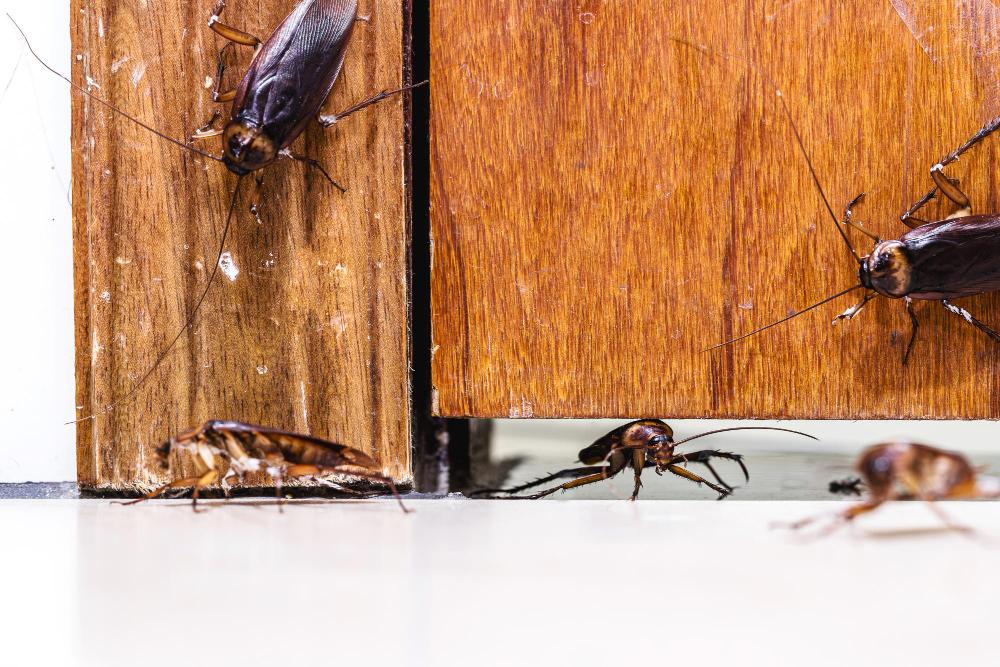
One important thing to know: cockroaches are nocturnal. If you're seeing them during the day, the population has likely grown large enough that individuals are being pushed out of hiding due to overcrowding. That's a sign the infestation is well-established and needs professional attention.
Common Cockroach Species in the Carolinas
The species you're dealing with matters because it determines where to look, how they got in, and how to treat them effectively.
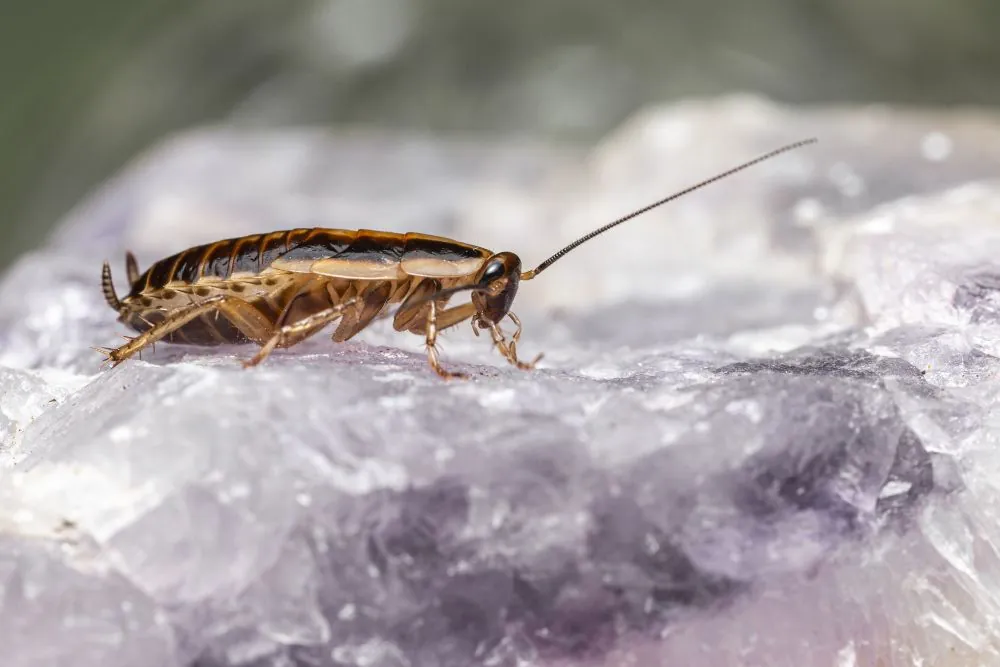
German Cockroaches
The most common indoor cockroach and the most difficult to control. Small (about half an inch), light brown with two dark stripes behind the head, and they reproduce rapidly. They arrive in grocery bags, cardboard boxes, used appliances, and luggage — not from outside. They nest in kitchens and bathrooms near heat, moisture, and food.
American Cockroaches (Palmetto Bugs)
The largest common cockroach in the region, reaching up to two inches. Reddish-brown with a yellowish figure-eight pattern behind the head. They prefer warm, damp environments like crawl spaces and sewer systems, moving indoors through drains and foundation gaps, especially during heavy rain or temperature extremes.
Smoky Brown Cockroaches (Water Bugs)
Similar in size to American cockroaches but uniformly dark brown to mahogany. Strongly attracted to light and highly dependent on moisture, making them common in crawl spaces, attics, gutters, and around exterior lighting. They frequently enter through gaps in soffits, rooflines, and around doors and windows.
Signs of a Cockroach Infestation
If you're noticing any of these signs, contact us for a free evaluation. Early treatment prevents the population from growing further.
- Daytime sightings — Cockroaches are nocturnal. Seeing them in the open during the day indicates a large population that has outgrown its hiding spaces.
- Droppings — German cockroach droppings look like small dark specks or ground pepper, found in kitchen drawers and behind appliances. Larger species leave cylindrical droppings with ridges.
- Egg cases (oothecae) — Small, dark brown, purse-shaped capsules in hidden areas. Each case contains dozens of eggs and means the population is actively reproducing.
- Musty odor — A strong, oily smell in kitchens, bathrooms, or crawl spaces can indicate a significant cockroach population.
- Shed skins — Translucent exoskeletons in cabinets, closets, or behind appliances confirms ongoing activity.
How McDuffie Treats Cockroach Infestations
Treatment approach depends on the species, which is why proper identification comes first.
Inspection: We identify the species, locate harborage areas, and assess the severity of the infestation. German cockroach infestations require a different strategy than occasional American or smoky brown invaders.
Targeted treatment: For German cockroaches, we use bait-based systems and non-repellent products carried back to the harborage area, eliminating the population at its source. For American and smoky brown cockroaches, treatment focuses on entry points, perimeter applications, and addressing the moisture conditions bringing them inside.
Moisture and exclusion recommendations: Smoky brown and American cockroaches are closely tied to moisture. When crawl space humidity or drainage issues are contributing to the problem, we'll recommend appropriate moisture control measures alongside pest treatment.
Ongoing protection: Cockroach prevention is built into every quarterly and tri-annual service plan, and our free callback policy means we'll return between visits if you see new activity.
Cockroach Prevention Tips
Eliminate food sources. Wipe counters and stovetops after cooking, store food in sealed containers, clean up crumbs and spills promptly, and don't leave pet food out overnight.
Reduce moisture. Fix leaky faucets and pipes, ensure proper ventilation in bathrooms, and address crawl space humidity. Moisture is the single biggest attractant for smoky brown and American cockroaches.
Seal entry points. Caulk gaps around pipes, utility penetrations, doors, and windows. Check weatherstripping and door sweeps, especially on exterior doors.
Manage trash and recycling. Use garbage cans with tight-fitting lids and take trash out regularly. Cardboard and paper recycling stored in garages can attract German cockroaches.
Inspect items before bringing them inside. Check grocery bags, cardboard boxes, and secondhand appliances or furniture. German cockroaches are hitchhikers.
Schedule a Free Estimate
If cockroaches have moved into your home, McDuffie Pest Control can identify the species, locate the source, and build a treatment plan that eliminates the problem.
Contact us today to schedule a free evaluation. We've been helping homeowners across southeastern North Carolina and northeastern South Carolina deal with roaches since 1964.
Schedule a Free Estimate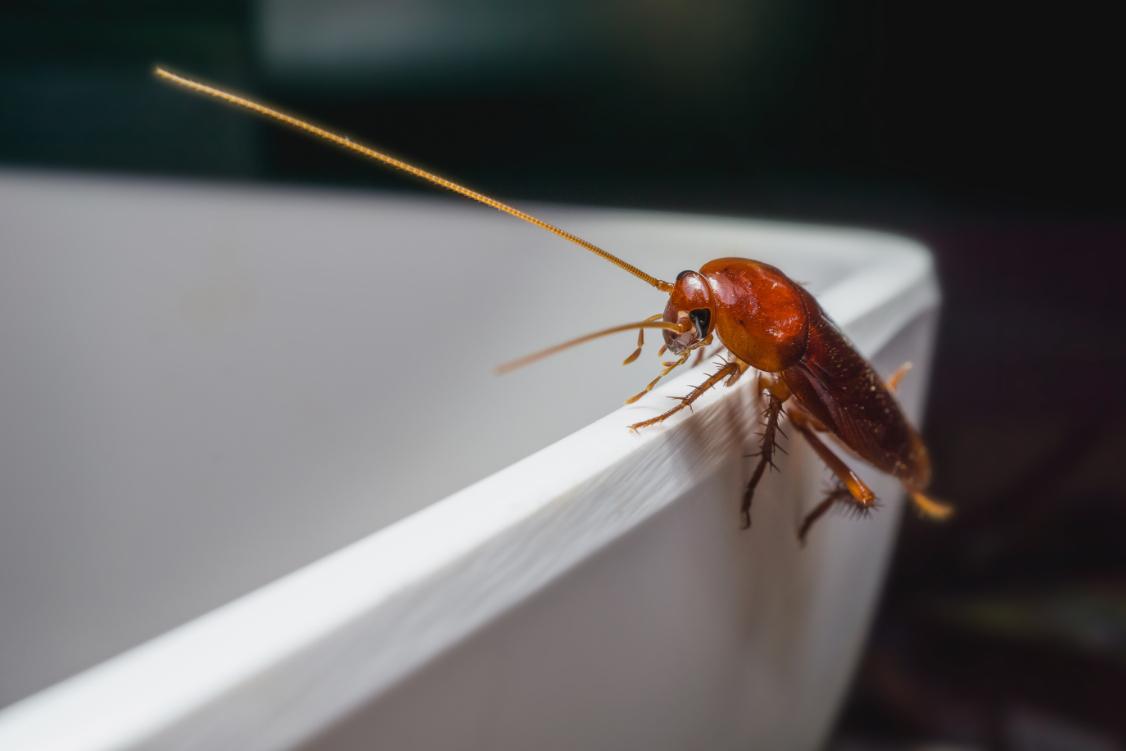
Frequently Asked Questions
What are "water bugs"?
In the Carolinas, "water bugs" almost always refers to smoky brown cockroaches. They're large, dark brown, moisture-dependent cockroaches commonly found in crawl spaces, attics, and around exterior lighting. Despite the nickname, they're a true cockroach species and respond well to professional treatment, especially when combined with moisture reduction around the home.
Why do I still see roaches after spraying?
Over-the-counter sprays are repellent-based, meaning they kill roaches on contact but drive others deeper into hiding. The colony remains intact, and survivors simply relocate to untreated areas. With German cockroaches in particular, the population can bounce back quickly because of their rapid reproduction rate. Professional treatment uses non-repellent products and baits that eliminate the colony at its source rather than scattering it.
Are cockroaches dangerous?
Yes, they pose real health risks. Cockroaches carry bacteria like Salmonella and E. coli, contaminating surfaces and food as they move through your home. Their droppings, shed skins, and saliva contain allergens that are a documented trigger for asthma and allergic reactions, especially in children. Prompt treatment reduces these risks.
How fast can a cockroach infestation grow?
German cockroaches reproduce extremely quickly. A single female produces an egg case containing 30 to 40 eggs, and she can produce multiple cases in her lifetime. Under favorable conditions, a small population can grow into a serious infestation within a matter of weeks. This is why early treatment matters: the sooner the population is addressed, the easier and faster it is to eliminate.
Are your cockroach treatments safe for pets?
Yes. Our technicians use targeted applications in areas where cockroaches harbor and travel, not broad sprays throughout the home. The products we use are safe for your household once dry. Let us know about pets when you schedule, and we'll take appropriate precautions during the visit.