Spiders
Most spiders found in homes across southeastern North Carolina and northeastern South Carolina are harmless. They're actually beneficial predators that feed on insects like mosquitoes, flies, and cockroaches. That said, most homeowners don't want webs accumulating in every corner, and the two medically significant species in this region — the brown recluse and the black widow — deserve genuine caution.
Whether you're dealing with a general spider presence or you've spotted one of the venomous species, understanding what you're looking at helps you respond appropriately.
Common Spider Species in the Carolinas
Most species found in homes are harmless nuisances. Two are medically significant and warrant professional attention.
Common House Spiders
Yellowish-brown with dark streaks, about 1/4 inch body length. They build tangled, irregular webs in corners, window frames, and ceiling junctions. The most frequent indoor species responsible for most of the web buildup homeowners notice. Not medically significant.
Wolf Spiders
Large (up to 1.5 inches body length), brown or gray with banded legs. They don't build webs — they're ground-level hunters that move fast, often found in garages, basements, and crawl spaces. Despite their intimidating size, their bite is not medically significant.
Orb Weavers
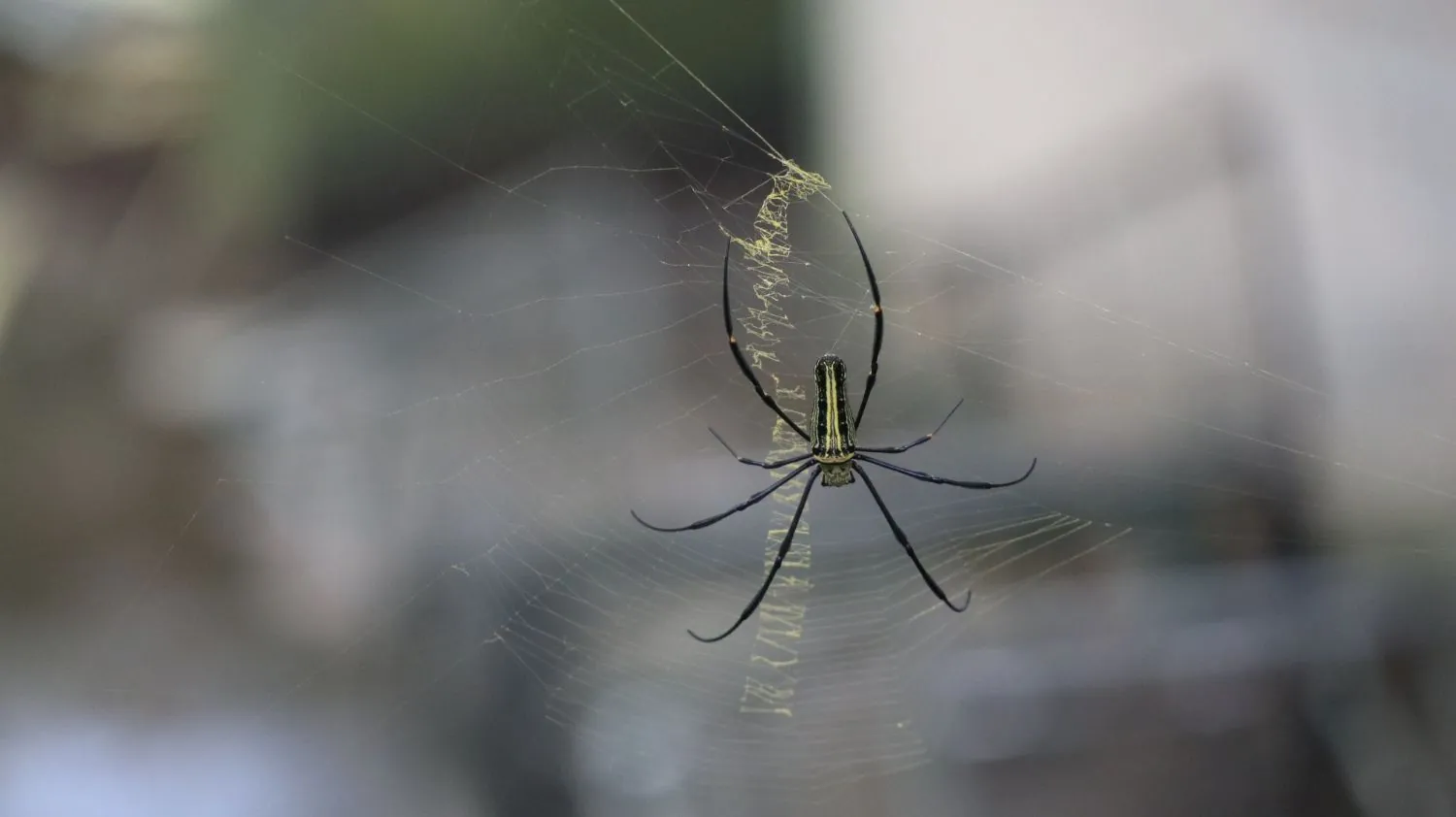
Large, colorful spiders that build the classic circular webs in gardens, porches, and around exterior lighting. Beneficial predators that rarely enter homes. Not medically significant.
Brown Recluse ⚠
Light to medium brown with a distinctive dark violin-shaped marking on the cephalothorax. They hide in undisturbed areas — closets, attics, storage boxes, and clothing that hasn't been worn recently. Their bite can cause a necrotic wound requiring medical attention.
Black Widow ⚠
Shiny black with a distinctive red hourglass marking on the underside of the abdomen. Females are about 1.5 inches including legs. They prefer dark, sheltered outdoor spaces — woodpiles, crawl spaces, meter boxes, and under decks. Their bite is venomous and can cause significant pain, muscle cramps, and systemic symptoms. Seek medical attention if bitten.

Signs of Spider Activity
- Web buildup — Webs accumulating in corners, along ceiling lines, around windows, and on exterior siding indicate an active spider population.
- Egg sacs — Small, round, silk-wrapped sacs found in webs or tucked into sheltered areas. A single house spider egg sac can contain 250 or more eggs — removing sacs before they hatch is important.
- Frequent sightings — Seeing spiders regularly indoors often means the home has an abundant insect prey population sustaining them. Reducing the food source is one of the most effective ways to reduce spider numbers.
- Spiders in shoes, clothing, or bedding — Finding spiders in these items, particularly in closets or storage areas, warrants attention. This is the scenario where brown recluse bites most commonly occur.
For more details on our spider control services, visit our spider control services page.
How McDuffie Treats Spider Problems
Spider control is most effective when it addresses both the spiders and the insect prey population they're feeding on.
We identify the species present, locate web concentrations and egg sacs, and assess the overall insect activity in and around the home. Physical removal of existing webs and egg sacs reduces the active population immediately.
We treat entry points, perimeters, and the interior and exterior areas where spiders build webs, harbor, and hunt. For brown recluses, treatment focuses on undisturbed interior spaces — closets, attics, storage areas, and behind furniture.
Our quarterly and tri-annual service plans address the full range of insects that attract spiders, reducing prey populations and naturally decreasing spider activity over time.
Spider Prevention Tips
Reduce outdoor lighting near entry points. Lights attract the insects that attract spiders. Switch to yellow or sodium vapor bulbs near doors and windows, or move lights away from the house.
Remove webs regularly. Use a vacuum with a hose attachment to remove webs and egg sacs. Consistent removal discourages spiders from re-establishing in the same locations.
Seal entry points. Caulk gaps around windows, doors, utility penetrations, and the foundation. Check weatherstripping and door sweeps.
Declutter storage areas. Brown recluses thrive in undisturbed clutter. Keep closets, attics, and garages organized, and store items in sealed plastic bins rather than cardboard boxes.
Shake out shoes and clothing. If you store shoes in closets or garages near the floor, shake them out before putting them on. The same applies to gloves and towels that have been sitting undisturbed.
Take Back Your Home from Spiders
If spiders are a persistent problem or you've identified a venomous species on your property, contact McDuffie Pest Control to schedule a free estimate. We'll identify what's driving the activity and build a plan to reduce both the spider population and the insect prey sustaining it.
Schedule a Free Estimate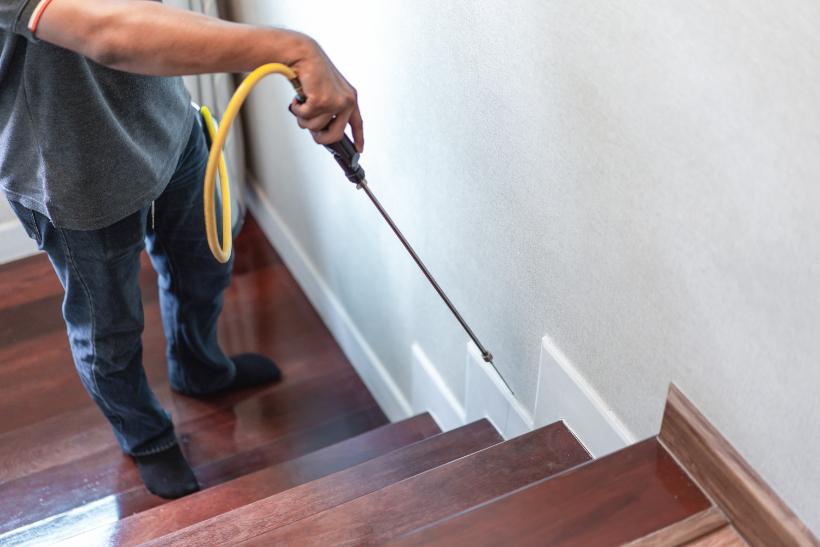
Frequently Asked Questions
Are brown recluse spiders common in this area?
Brown recluses are present in the Carolinas but are less common than many people assume. They're often confused with other brown spiders, particularly wolf spiders and southern house spiders. True brown recluses have a distinct violin-shaped marking, six eyes (arranged in three pairs), and uniformly colored legs without banding or stripes. If you're unsure, a professional inspection can confirm the species.
Should I kill spiders in my house?
Common house spiders and other non-venomous species are beneficial because they reduce insect populations. If the webs are the primary concern, regular removal keeps things tidy without needing to eliminate every spider. For venomous species (brown recluse or black widow), removal and treatment are recommended, especially in homes with children and pets.
Why do I have so many spiders?
Spiders follow the food. A high spider population indoors almost always indicates a healthy insect prey population in the home. Addressing the underlying insect problem through regular pest control treatment is the most effective way to reduce spider numbers long-term. Exterior lighting that attracts insects to entry points also contributes.
What should I do if I'm bitten by a spider?
Clean the bite area with soap and water, apply ice to reduce swelling, and monitor for symptoms. Most spider bites produce only mild, localized reactions. If you suspect a brown recluse or black widow bite, or if you develop severe pain, spreading redness, blistering, muscle cramps, or other systemic symptoms, seek medical attention promptly. If possible, capture or photograph the spider for identification.