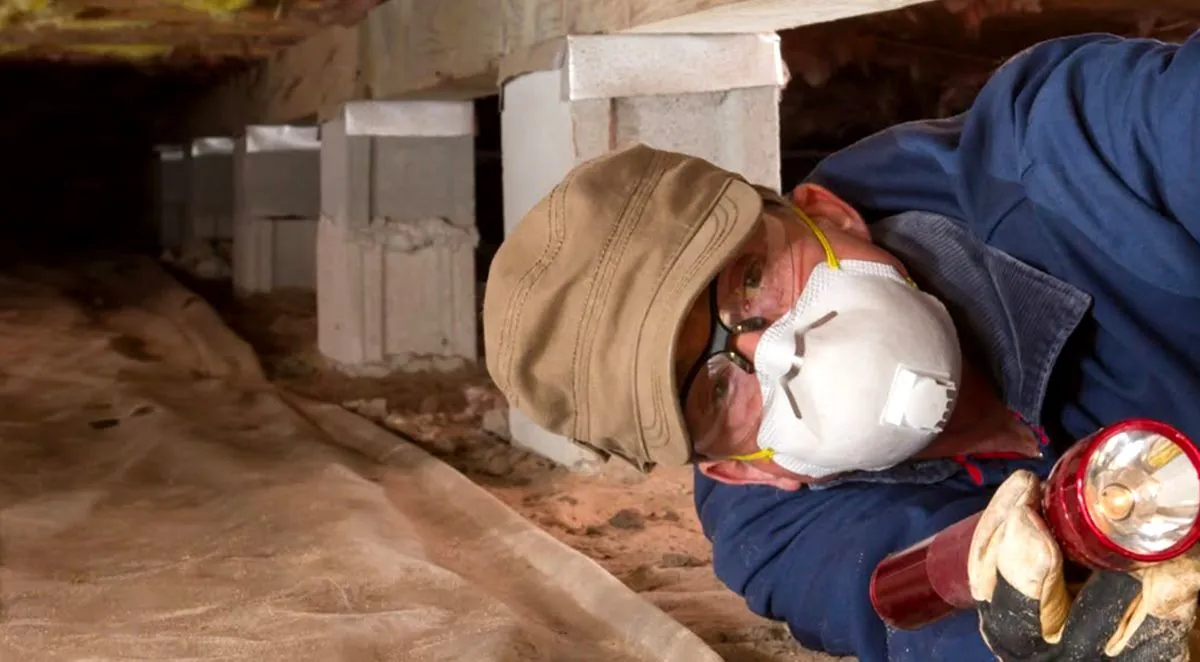
If you own a home in southeastern North Carolina, you've likely dealt with a crawl space that feels damp, smells musty, or seems impossible to keep dry. It isn't your imagination, and it isn't poor maintenance. Crawl space moisture in southeastern NC is a regional problem rooted in our geography, our climate, and the way many homes here are built.
Understanding why our homes are so prone to it helps you take the right steps to protect yours. This article breaks down the real reasons behind crawl space humidity in NC, what that moisture does over time, and how to get ahead of it before it damages your home.
Quick Summary
- Southeastern NC sits on the coastal plain, where sandy soil and a high water table keep ground moisture constantly rising into crawl spaces.
- Our warm, humid climate and heavy rainfall add moisture from above through open foundation vents.
- Traditional vented crawl space construction was never designed for this level of humidity.
- Sustained moisture leads to mold, wood decay, and a strong link to termites and other pests.
- Targeted moisture control, from vapor barriers to full encapsulation, is the most effective long-term protection.
The Coastal Plain: Geology Works Against You
The single biggest reason southeastern NC homes struggle with moisture is the ground they sit on. Our region is part of the Atlantic coastal plain, and its soil behaves very differently from the clay-heavy soil found farther inland.
Sandy Soil and a High Water Table
Coastal plain soil tends to be sandy and porous, which means water moves through it easily and sits closer to the surface. In much of the region, the water table, the level below which the ground is saturated, is high year-round. That saturated ground is a constant source of moisture directly beneath your home.
As that groundwater warms, it evaporates upward as water vapor, rising straight into the crawl space above it. Unlike a passing rainstorm, this is a continuous, everyday process. It's why so many coastal plain crawl space issues persist even during dry stretches of weather.
Low, Flat Terrain
Southeastern NC is also notably low and flat, which limits natural drainage. Water that would run off quickly in hillier regions tends to linger here, keeping the soil around and under foundations wetter for longer. For homes near rivers, lakes, and the coast, that effect is even more pronounced.
Our Climate Adds Moisture From Above
Geology explains the moisture rising from below, but our climate delivers a second source from above. Together, they create the year-round humidity that defines crawl space moisture in southeastern NC.
The region is warm and humid for much of the year, with long, muggy summers that keep the air heavy with moisture. When that humid outside air drifts into a crawl space through open foundation vents, it meets cooler surfaces like HVAC duct lines and condenses, leaving framing and insulation damp. This is the same effect you see when a cold glass sweats on a summer day.
Heavy rainfall compounds the problem. Southeastern NC receives substantial rain throughout the year, and coastal storms can dump large amounts in a short time. All of that water has to go somewhere, and in low, sandy terrain, much of it ends up raising the moisture level in the ground beneath your home.
Older Construction Wasn't Built for This
The way many homes in our region were built adds a third factor. For decades, the standard approach was the vented crawl space, based on the belief that outside air flowing through the vents would keep the space dry.
In a humid climate like ours, that belief turned out to be backward. Rather than drying the space, open vents often let humid outside air pour in, adding moisture instead of removing it. Many southeastern NC homes still have these traditional vented crawl spaces, which is a large part of why NC homes have moisture problems that never fully resolve on their own.
This doesn't mean older homes are doomed to stay damp. It simply means the original design didn't account for our climate, and modern moisture control fills that gap.
When Crawl Space Moisture Peaks
Crawl space moisture isn't constant throughout the year, and knowing the high-risk seasons helps you stay ahead of it. In southeastern NC, the pattern follows our climate closely.
The warm, humid months from late spring through early fall are the most demanding. This is when outside humidity is highest, so any air entering through open vents carries the most moisture. It's also when the temperature gap between humid outside air and cooler crawl space surfaces is greatest, which drives condensation.
Storm season adds spikes on top of that baseline. Heavy summer rains and coastal storms can rapidly raise the water table and saturate the ground, sending a surge of moisture upward. Homes that stay borderline dry most of the year often show problems in the weeks after a major storm.
Cooler months bring some relief, but they aren't risk-free. Lower temperatures reduce evaporation, yet a crawl space that's absorbed moisture all summer can stay damp well into the season. This is also when termites and other pests seek the shelter a warm, moist crawl space provides. Year-round control, rather than seasonal patching, is what keeps a crawl space reliably dry.
What Crawl Space Moisture Actually Does
Understanding the damage moisture causes makes clear why it's worth addressing early. A damp crawl space rarely stays a minor issue for long.
Mold and Wood Decay
Persistent humidity creates ideal conditions for mold and fungus, which can spread across framing and subflooring. Over time, sustained moisture also leads to wood decay, weakening the very structure that holds your home up. Crawl space mold in southeastern NC is common precisely because the conditions here are so favorable to it.
Our team addresses this on the prevention and treatment side through moisture control and possible fungus treatments. If moisture has already caused significant structural damage, rebuilding compromised framing is work for a licensed general contractor, but controlling the moisture is how you keep the problem from ever reaching that stage.
Poor Air Quality and Higher Energy Bills
Much of the air in your home actually rises up from the crawl space, so damp, musty crawl space air affects the air you breathe. Excess humidity also forces your HVAC system to work harder, which can drive up energy costs. A dry crawl space contributes to a healthier, more efficient home overall.
The Strong Link Between Moisture and Termites
Perhaps the most important consequence of crawl space moisture is its connection to pests, especially termites. The relationship between crawl space moisture and termites is one every southeastern NC homeowner should understand.
Termites are drawn to moisture. Damp wood is easier for them to eat and provides the humidity they need to survive, so a wet crawl space is essentially an open invitation. The subterranean termites common in our region thrive in exactly the moist, wood-rich environment a neglected crawl space provides.
This is why moisture control is such a valuable part of an Integrated Pest Management strategy. By keeping your crawl space dry, you make your home far less attractive to termites and other moisture-loving pests. Many homeowners pair moisture work with a Wood-Destroying Insect Report or ongoing termite protection for complete coverage.
How to Protect Your Southeastern NC Home
The good news is that crawl space moisture is a solvable problem. The right solution depends on your specific crawl space, but the options are well established and effective.
- Start with an inspection. Measuring actual humidity and identifying moisture sources is the foundation of any effective plan.
- Consider a vapor barrier. For drier crawl spaces, a professional-grade barrier blocks ground moisture from rising into your home.
- Look at full encapsulation. For homes with persistent humidity, sealing the walls and vents and adding a dehumidifier delivers complete, year-round control.
- Address existing fungus. Targeted treatment clears current growth alongside the underlying moisture.
- Maintain protection over time. An occasional checkup confirms your system is still performing as it should.
If you're weighing your options, our guide comparing a vapor barrier vs. full encapsulation walks through how to choose. You can also explore our full range of moisture and crawl space services to see how we help homes across the region.
Frequently Asked Questions
Is crawl space moisture really worse in southeastern NC than other places?
In many ways, yes. The combination of coastal plain geology, a high water table, heavy rainfall, and a warm, humid climate creates unusually favorable conditions for crawl space moisture. Homes here face more moisture pressure than those in drier or hillier regions.
Will opening my crawl space vents help dry it out?
Usually not, at least not in our climate. Open vents often let humid outside air in, which adds moisture rather than removing it. This is why sealing the vents is a core part of full encapsulation.
Does a little crawl space moisture really matter?
It can matter a great deal over time. Even modest, sustained humidity encourages mold, wood decay, and pests. Addressing it early is far easier and less costly than repairing the damage later.
How does crawl space moisture attract termites?
Termites need moisture to survive and prefer damp wood, so a wet crawl space provides both food and the humid conditions they thrive in. Reducing moisture makes your home significantly less appealing to them.
Can moisture problems be fixed in an older home?
Yes. Older homes with traditional vented crawl spaces respond very well to modern moisture control. A vapor barrier, encapsulation, and a dehumidifier can transform a chronically damp crawl space into a dry, controlled one.
Getting Ahead of the Problem
Crawl space moisture in southeastern NC isn't a sign you've done anything wrong. It's the predictable result of living in a region where geology and climate both push moisture toward your home. Recognizing that is the first step toward protecting your house from the mold, decay, and pests that follow.
With more than 60 years serving southeastern North Carolina, our family-owned team understands these regional challenges better than anyone. We can inspect your crawl space, pinpoint the moisture sources, and recommend the solution that genuinely fits your home. Contact us today to schedule an evaluation and keep your home dry, healthy, and protected for years to come.