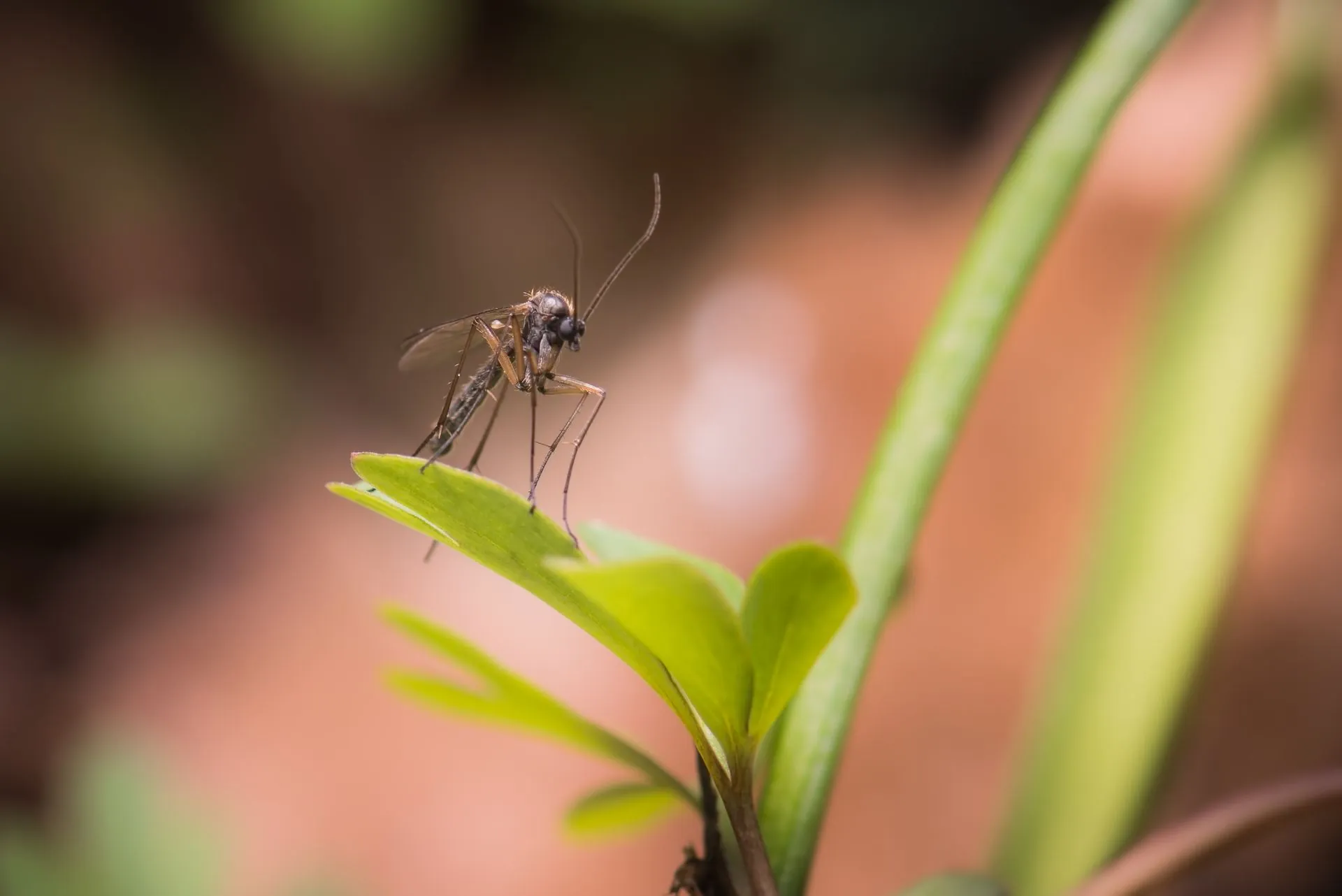
Mosquitoes
Mosquitoes are more than a backyard nuisance in southeastern North Carolina and northeastern South Carolina — they're a genuine health concern. Mosquitoes transmit diseases including West Nile virus, Eastern equine encephalitis, and Zika virus, all of which have been documented in the Carolinas. The warm, humid climate and abundant standing water across this region create ideal breeding conditions, and mosquito season here stretches from early spring through late fall.
If mosquitoes are preventing your family from enjoying your yard, or if standing water on your property is producing large populations, professional mosquito treatment can make a significant difference.
Common Mosquito Species in the Carolinas
Only female mosquitoes bite. They require a blood meal to produce eggs. Males feed on plant nectar and don't bite. The species you're dealing with affects when they're active and what attracts them to your property.
Asian Tiger Mosquitoes
Black with distinctive white stripes on the body and legs. Aggressive daytime biters. They breed in very small amounts of standing water — including bottle caps, plant saucers, and gutters. This is the most common nuisance species in residential areas across the Carolinas.
Southern House Mosquitoes
Brown, medium-sized, and active primarily at dusk and dawn. They're the primary carrier of West Nile virus in this region and breed in ditches, storm drains, and other stagnant water sources. Their disease-carrying potential makes them a significant health concern.
Eastern Saltmarsh Mosquitoes
Common in coastal areas of Brunswick County and along the Grand Strand. They can travel long distances from breeding sites and are aggressive biters, particularly in the evening. Coastal homeowners are especially likely to encounter this species.

Health Risks and Why They're Hard to Control
Mosquito-borne diseases are present in the Carolinas. While the risk of any individual bite transmitting disease is low, cumulative exposure from a heavy mosquito population increases that risk over a season.
- West Nile Virus — The most common mosquito-borne disease in North Carolina. Most infections are mild, but severe cases can cause neurological complications.
- Eastern Equine Encephalitis (EEE) — Rare but serious, with a high fatality rate in symptomatic cases. Found in swampy, rural areas.
- Zika Virus — Primarily a travel-related risk, but the Asian tiger mosquito that carries it is well-established in this region.
- Why they're hard to control on your own — Mosquitoes breed in remarkably little standing water. A bottle cap, clogged gutter, or plant saucer is enough. Asian tiger mosquitoes in particular thrive in the small, overlooked water sources found in every residential yard. Eliminating standing water is critical but rarely sufficient alone.
How McDuffie Treats Mosquitoes
We survey your property to identify standing water sources, breeding sites, and the shaded resting areas where adult mosquitoes congregate during the day.
Barrier treatment: We apply targeted treatments to vegetation, shaded areas, fence lines, and other resting sites. This creates a residual barrier that kills adult mosquitoes on contact and provides ongoing suppression between treatments.
Breeding site reduction: We identify and treat standing water sources that can't be easily eliminated, and recommend corrective measures for drainage issues and clogged gutters.
In2Care Mosquito Prevention: McDuffie Pest Control offers a unique system of treatment that targets the reproductive cycle of the mosquito, further reducing the population. Ask us about our In2Care Mosquito Prevention Services.
Mosquito control is most effective as an ongoing seasonal program. Our treatment schedule is timed to the mosquito activity cycle in this region — spring through fall.
Mosquito Prevention Tips
Eliminate standing water. Walk your property and dump, drain, or cover anything that holds water — plant saucers, buckets, tarps, toys, birdbaths, wheelbarrows, and clogged gutters. Do this weekly during mosquito season.
Maintain your yard. Keep grass mowed and trim overgrown vegetation where adult mosquitoes rest during the day. Clear brush and debris along fence lines.
Clean gutters regularly. Clogged gutters are one of the most overlooked mosquito breeding sites on residential properties.
Use personal protection when outdoors. EPA-registered repellents containing DEET, picaridin, or oil of lemon eucalyptus are effective. Wear long sleeves and pants during peak mosquito hours (dawn and dusk).
Check outdoor structures. Playground equipment, decorative pots, grill covers, and boat covers all collect water. Drainage holes and regular inspection help keep these from becoming breeding sites.
Schedule a Mosquito Treatment
If mosquitoes are making your yard unusable, contact McDuffie Pest Control to discuss a seasonal mosquito treatment program. We'll assess your property, identify the key breeding and resting sites, and build a treatment schedule that keeps mosquito populations suppressed throughout the active season.
Schedule a Treatment
Frequently Asked Questions
When is mosquito season in the Carolinas?
Mosquitoes are active from early spring (typically March or April) through late fall (October or November), depending on temperatures. Peak activity is usually June through September. The season can start earlier and end later in coastal areas like the Brunswick County beaches and the Grand Strand.
Why are mosquitoes so bad in my yard?
Standing water is the primary driver. Even small, overlooked sources like plant saucers, clogged gutters, and low spots in the yard can produce large numbers. Dense vegetation and shaded areas provide daytime resting sites. Properties near ditches, retention ponds, marshes, or wooded areas also tend to have higher pressure from mosquitoes breeding off-site.
Do mosquito treatments harm bees and pollinators?
Our treatments are applied to mosquito resting areas — typically shaded, low vegetation zones where pollinators are less active. We avoid treating flowering plants and apply products during times when pollinator activity is minimal. If you have beehives or specific pollinator gardens on your property, let us know and we'll adjust our application accordingly. We also have access to FIFRA 25(b) products that eliminate mosquitoes while protecting pollinators.
How often do you need to treat for mosquitoes?
Effective mosquito suppression requires treatments on a regular cycle throughout the active season, typically every three to four weeks. The barrier treatment provides residual control between visits, but it breaks down over time due to rain, sun exposure, and natural degradation. Consistent treatment throughout the season provides the best results. Ask us about our In2Care Mosquito Prevention Services for additional colony-level control.