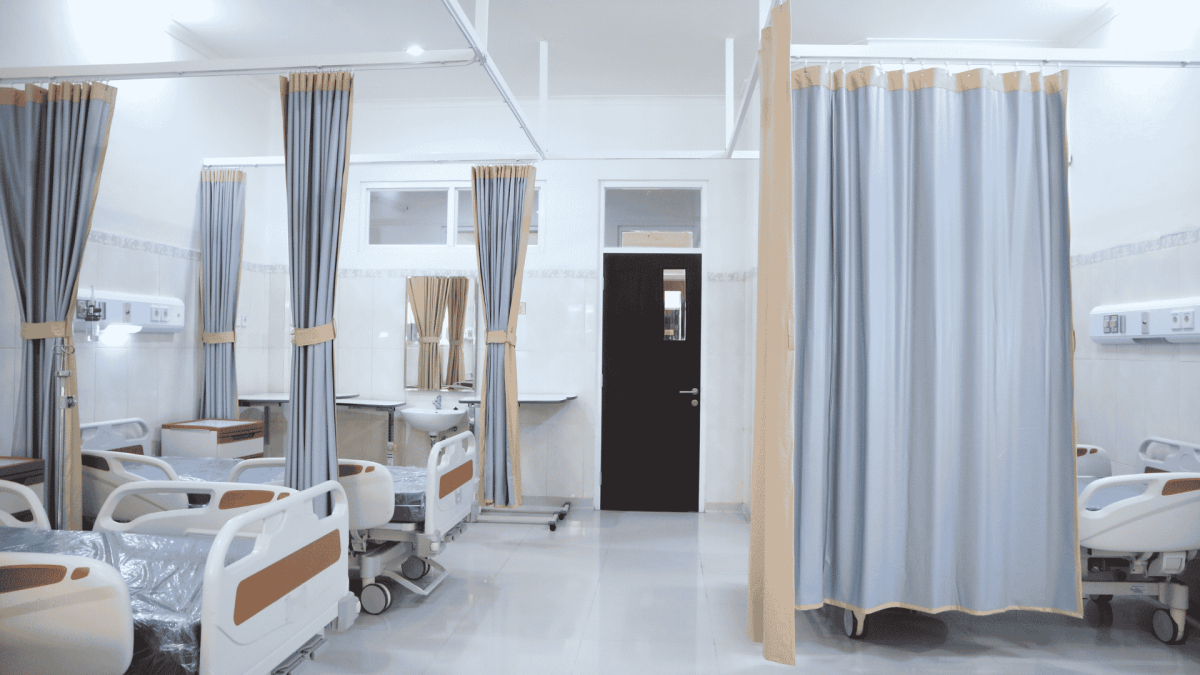
The people who live in your facility deserve a clean, comfortable home, and the people who inspect it expect to see one. One mouse in a hallway or a few roaches in the kitchen can upset residents, worry families and raise questions during an inspection. McDuffie Pest Control provides commercial pest control for nursing homes in NC, assisted living communities and other healthcare facilities, with quiet service, careful methods and records you can hand to an inspector.
We're a family-owned company based in Elizabethtown, and we've served southeastern North Carolina since 1964. Our commercial work stays small and local, so your facility gets steady attention from people who know the area.
Pest Control for Healthcare Facilities in NC: What's at Stake
Healthcare settings aren't like other businesses. Your residents may be older, have health conditions, or spend most of their day in one room. That means pest problems feel bigger, and the way pests are managed matters just as much as the result.
What the Rules Ask of Your Facility
Federal and state rules put pest management on your list of responsibilities. Federal requirements for long-term care facilities at 42 CFR 483.90 say a facility must maintain an effective pest control program so that it's free of pests and rodents. For North Carolina adult care homes, rule 10A NCAC 13F .0305 says outside grounds must be kept free of debris, trash and similar conditions so they don't attract rodents and vermin, and it calls for insect-proof screens on windows in bedrooms, dining rooms and living rooms.
Kitchens bring their own expectations. The FDA's Food Code is a model that state and local governments can adopt, and its section 6-501.111 says premises should be kept free of insects, rodents and other pests through routine inspection of incoming shipments and the premises, control methods when pests are found, and removal of harborage. Your inspector can tell you which edition applies to your kitchen.
IPM Commercial Pest Control for Healthcare
Integrated Pest Management (IPM) is how we work in every facility. The U.S. EPA describes IPM as an approach that manages pest damage by the most economical means and with the least possible hazard to people, property and the environment. In a building full of residents, that focus on low hazard is exactly what you want.
Here's how an IPM program looks in a healthcare setting:
- Inspection first. We walk kitchens, dining rooms, storage, laundry, resident wings and the exterior to find which pests are present and what draws them in.
- Prevention. We point out food sources, moisture problems and openings, and we seal entry points where rodents get inside.
- Monitoring. Rodent bait and trap placement and regular checks help us catch new activity before residents or staff see it.
- Targeted treatment. When treatment is needed, we use the right product in the right spot rather than treating broadly.
- Follow-up and records. Each visit is documented so you can see what we found and what we did.
Care for Sensitive Residents
We know your residents come first. Our IPM approach favors inspection, exclusion and targeted work over broad applications, which keeps product use where it's needed. When a facility asks about eco-friendly options, we're happy to accommodate. Just tell us about any resident concerns, and we'll plan around them.
Discreet Service on Your Schedule
Your daily routine shouldn't bend around a pest technician. We schedule service around meal times, activities and rest periods so residents can go about their day. After-hours service is available for some clients, and we'll talk through what works for your building.
Our technicians work quietly and respectfully in shared spaces. If a resident has questions, we answer them kindly and plainly. If you'd rather we check in with a staff member before entering certain areas, we'll do that.
Documentation You Can Hand to an Inspector
When an inspector asks about your pest program, you shouldn't have to dig. We keep facility-specific logbooks that include Safety Data Sheets, product labels, service records and inspection logs, and we keep them current. McDuffie keeps documentation to support your inspections and audits.
FDA Compliant Pest Control in NC: What It Really Means
Some facility managers search for FDA compliant pest control in NC. It helps to know that compliance belongs to your facility. A provider's role is to run a sound program and keep the records that show it. That's what our logbooks are built to do, and we'll walk your team through them so they know where everything is.
Pest Control for Nursing Centers and Assisted Living in Southeastern NC
We serve nursing centers, assisted living communities and other healthcare facilities within about 50 miles of Elizabethtown. That includes Bladen, Columbus, Robeson and Sampson counties and nearby communities. Rodents are a common concern as the weather cools, and our rodent control services cover trapping, targeted treatment and exclusion.
Why Facilities Choose McDuffie
- Science from the start. Our founder, Walter McDuffie, studied entomology at NC State, and our team includes an Associate Certified Entomologist.
- Family ownership since 1964. One of our original employees has been with us since 1971.
- Licensed in two states. We hold NC and SC pest control licenses.
- Honest advice. We'll tell you what your facility needs and what it doesn't.
To see the full range of industries and plans we offer, visit our commercial pest control page.
Frequently Asked Questions
How often should a nursing home have pest service?
It depends on your building, your kitchen and your pest history. Our commercial page notes that monthly service is a common fit for healthcare facilities because it keeps coverage consistent and documentation current. We'll recommend a schedule after we see your site.
Can you work around residents and staff?
Yes. We schedule around meal times, activities and rest periods, and after-hours service is available for some clients. Our technicians work quietly and respectfully in shared spaces.
What records do you provide?
We keep facility logbooks with Safety Data Sheets, product labels, service records and inspection logs. They stay current so your team can find them when an inspector asks.
Is your approach safe for residents with health conditions?
We use Integrated Pest Management, which starts with inspection and prevention and keeps treatments targeted. Tell us about resident concerns, and we'll plan around them. When a facility asks about eco-friendly options, we're happy to accommodate.
How is healthcare pest service priced?
Every facility is different, so we price each program after a site visit. Reach out and we'll talk through your building, your schedule and your documentation needs.
Schedule a Visit for Your Facility
Your residents, their families and your inspectors all count on a clean, pest-free building. A steady IPM program, quiet service and organized records help you deliver that every day. We'd be glad to walk your facility and build a plan that fits.
Contact us or call (910) 862-3635 to talk about pest management for your nursing home, assisted living community or healthcare facility.