Wood-Destroying Insect Reports (WDIR) in Southeastern NC & Northeastern SC
If you're buying, selling, or refinancing a home in North Carolina or South Carolina, there's a good chance you'll need a Wood-Destroying Insect Report. A WDIR (NC) and a CL-100 (SC) are official inspection documents that confirm whether wood-destroying insects are present in a property, and it's a standard requirement for most real estate transactions in our region.
McDuffie Pest Control provides WDIR/CL-100 inspections for home buyers, sellers, real estate agents, and lenders across southeastern North Carolina and northeastern South Carolina. With over 60 years of experience and a team that includes an Associate Certified Entomologist, you can trust that our inspections are thorough, accurate, and completed on time to keep your transaction on track.
What Is a Wood-Destroying Insect Report?
A Wood-Destroying Insect Report is a standardized inspection document that records the presence or absence of wood-destroying insects and any visible damage they may have caused to a property. Most mortgage lenders require a current WDIR before approving a home purchase, and many sellers choose to have one completed before listing their property to avoid surprises during the closing process.
The report covers several types of wood-destroying insects commonly found in our region. In South Carolina, this type of report is commonly referred to as a CL-100. Whether your transaction is in NC or SC, McDuffie Pest Control can provide the inspection and documentation you need.
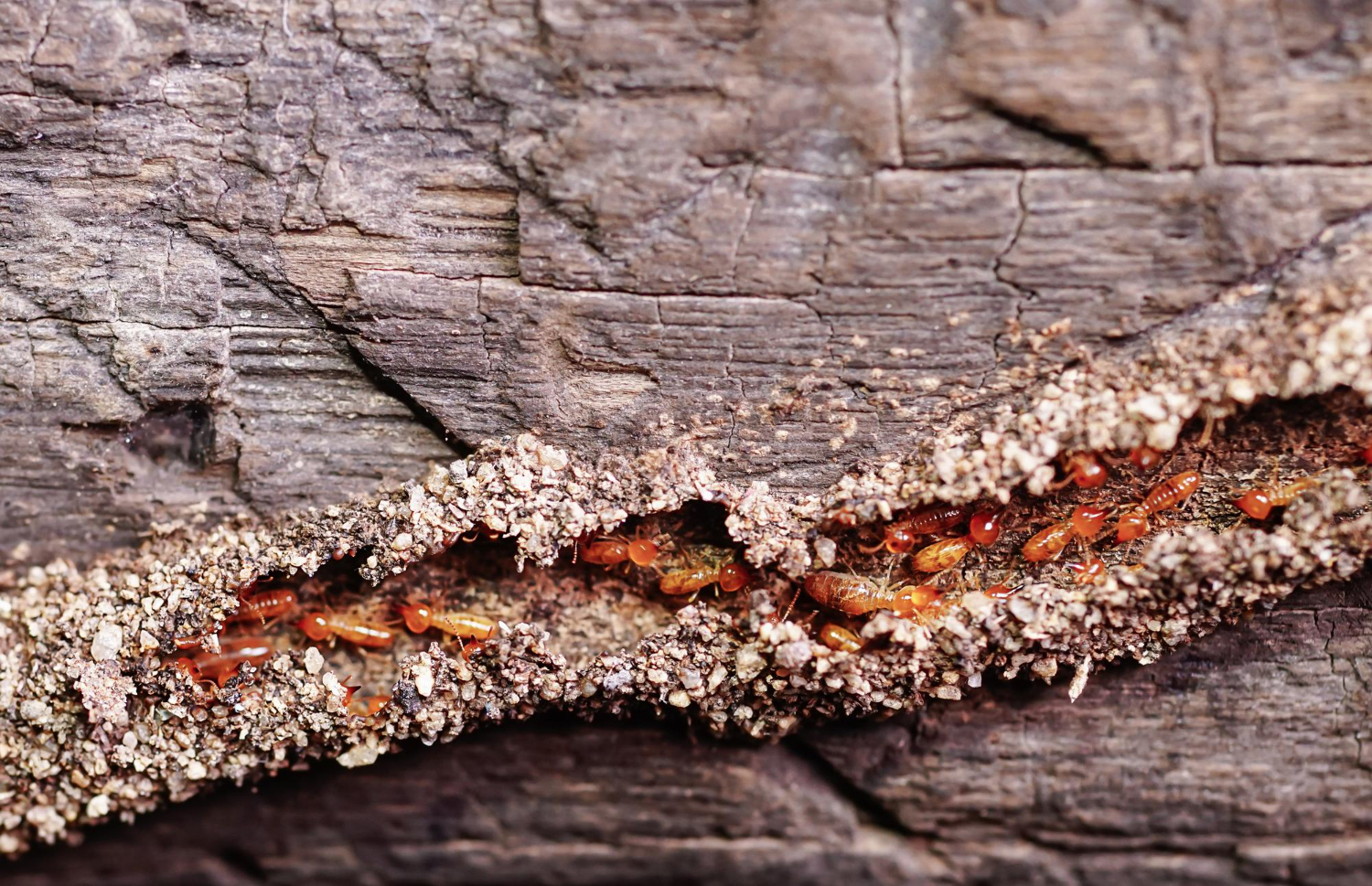
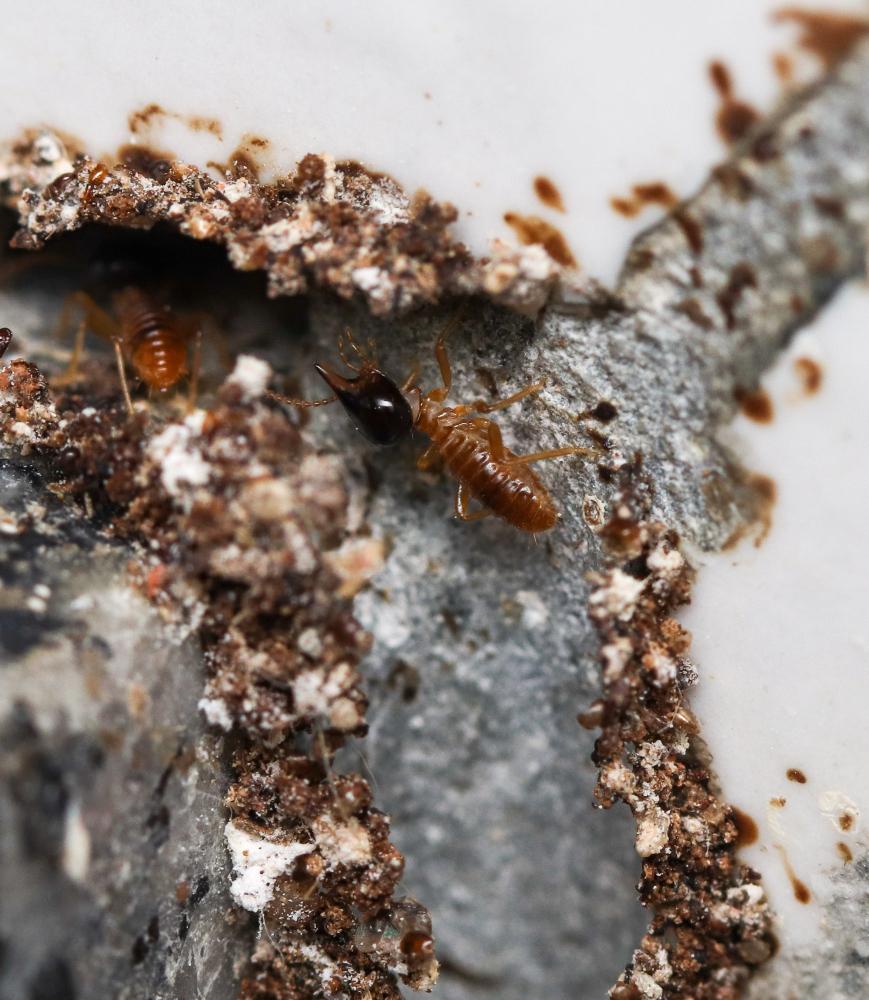
- Subterranean Termites — The most destructive and commonly found wood-destroying insect in our region, responsible for billions in property damage nationwide each year
- Carpenter Ants — Large ants that excavate wood to build their nests, causing structural damage over time that can be difficult to detect without a professional inspection
- Carpenter Bees — Bore into wood to create nesting galleries, commonly targeting fascia boards, decks, and other exposed wood on the exterior of your home
- Powder Post Beetles — Feed on the starch in hardwoods and leave behind fine, powdery frass as evidence of their activity inside wood framing and flooring
- Wood Borers — A broad category of beetles whose larvae tunnel through and feed on wood, sometimes remaining undetected for years before damage becomes visible
For active termite issues, visit our termite control page to learn more about our treatment options, including liquid barrier treatment and the Sentricon bait system.
Who Needs a WDIR?
WDIR inspections serve several audiences in the real estate process. Whether you're a buyer protecting your investment or an agent coordinating a closing, McDuffie Pest Control can get you the documentation you need on time.
Home Buyers
Your mortgage lender will likely require a current WDIR before closing. This inspection protects your investment by confirming the property is free of wood-destroying insect activity, or by identifying issues that need to be addressed before the sale is finalized.
Home Sellers
Having a WDIR completed before listing your property can help avoid delays during the closing process. A clean report gives buyers and their lenders confidence, and if any issues are found, you'll have time to address them on your own terms.
Real Estate Agents
We work with agents across our service area to coordinate inspections efficiently and deliver reports on time. If you regularly handle transactions in southeastern NC or northeastern SC, we'd welcome the opportunity to be your go-to WDIR provider.
Refinancing Homeowners
Some lenders require a current WDIR as part of the refinancing process. If your lender has requested one, we can get you scheduled quickly so your refinance stays on track.

What the Inspection Covers
During a WDIR inspection, our technician conducts a visual examination of all accessible areas of the property. The inspection is designed to identify:
- Visible evidence of wood-destroying insects, including signs of active infestations and evidence of previous activity in framing, subflooring, trim, and support beams
- Conditions conducive to infestation, including moisture problems, wood-to-soil contact, and construction types such as slabs or dirt-filled porches
- The crawl space, basement (if applicable), attic (if accessible), interior living spaces, and the home's exterior
The report documents findings in all accessible areas as required by industry standards. Areas that are obstructed or inaccessible at the time of inspection are noted on the report.
If evidence of wood-destroying insects is found, the report will detail what was discovered and where. From there, our team can discuss treatment options and next steps to help you move forward with your transaction.
Schedule Your WDIR Inspection
When you're in the middle of a real estate transaction, timing matters. McDuffie Pest Control understands the urgency of the closing process, and we work to schedule and complete WDIR inspections promptly so you're not left waiting on paperwork.
Contact us today to schedule. Whether you're a buyer, seller, agent, or homeowner refinancing, we'll get you the documentation you need to move forward with confidence.
Get in Touch
Frequently Asked Questions
How long does a WDIR inspection take?
Most WDIR inspections take approximately 30 to 90 minutes depending on the size and accessibility of the property. Our technician will inspect all accessible areas of the home, including the crawl space, attic, interior, and exterior.
How soon will I receive the report?
We understand that real estate transactions run on tight timelines. We work to complete and deliver your WDIR report as quickly as possible after the inspection. Contact us to discuss scheduling and turnaround time for your specific situation.
What happens if wood-destroying insects are found?
If the inspection reveals evidence of wood-destroying insects or damage, the report will document the findings in detail. From there, our team can discuss treatment options with you. In many real estate transactions, treatment is negotiated between the buyer and seller as part of the closing process. McDuffie Pest Control offers a full range of termite and wood-destroying insect treatments to address any issues that are identified.
Is a WDIR the same as a termite inspection?
A WDIR is broader than a termite inspection alone. While termites are one of the primary concerns, the report also covers other wood-destroying insects including carpenter ants, carpenter bees, powder post beetles, and wood borers. The inspection looks for evidence of any of these pests as well as conditions that could make the property vulnerable to future infestations.
What is a CL-100 report?
CL-100 is the term commonly used in South Carolina for a Wood-Destroying Insect Report. The inspection and documentation requirements are similar to the WDIR used in North Carolina. McDuffie Pest Control provides both WDIR and CL-100 inspections for properties in our service area across southeastern NC and northeastern SC.
